
Resource
Foil neck chart
SA neck finish chart for Foil & Die Kit orders.
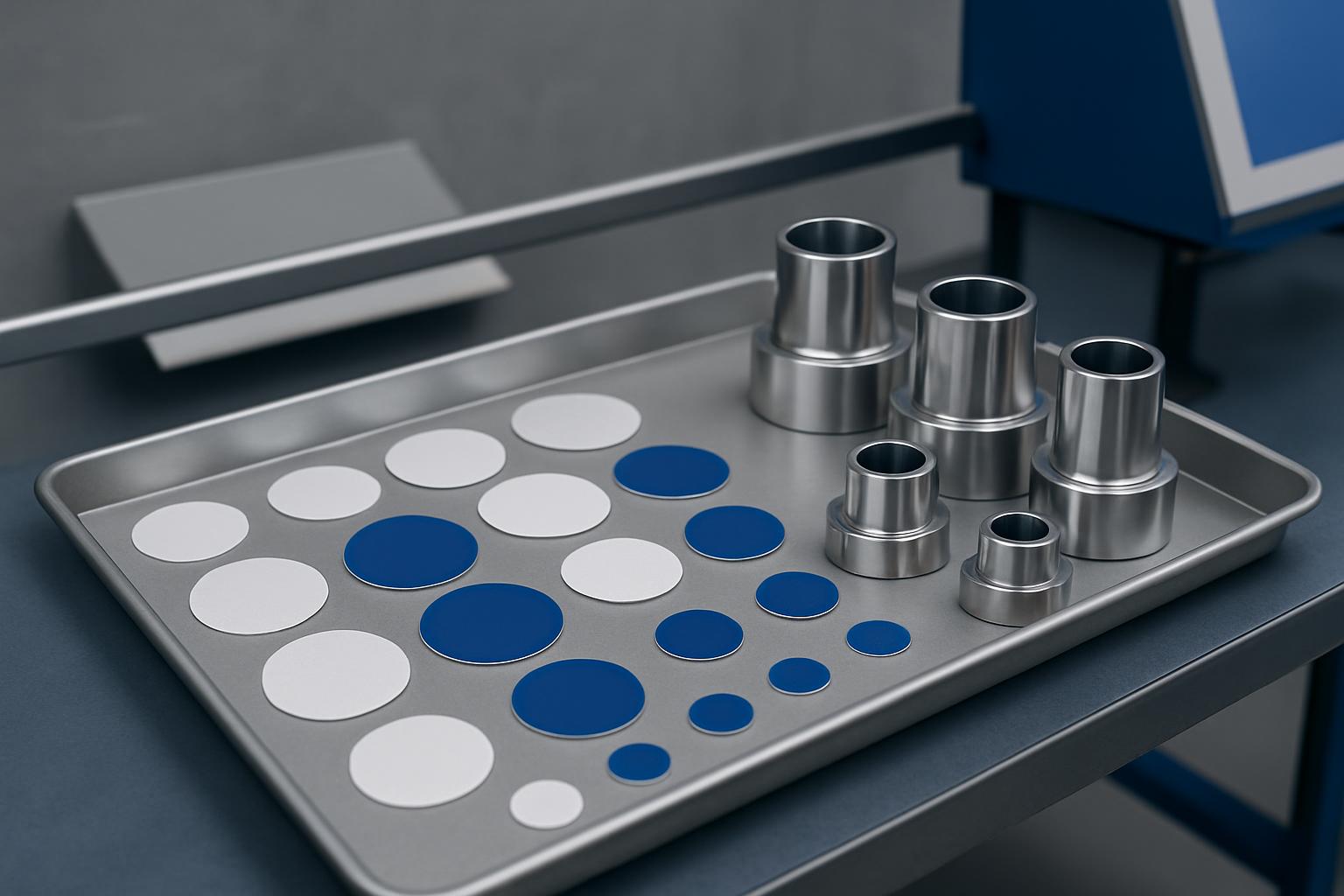
Foil neck chart
The foil neck chart is a shop-floor order card for South African induction foil and die orders. Line setters use it during SKU setup, plant managers use it before approving a new bottle, and maintenance leads use it when a die change has started wasting liners. The chart ties the measured neck finish to the Foil & Die Kit, so the first trial packs start with the right 28 mm, 33 mm, 38 mm or 45 mm die choice.
When to use the chart
Fill it in when a new bottle arrives, when a cap or liner supplier changes, when a contract run moves to another line, or when sealed packs show lifted edges, scorched liner faces or leaks after capping. Measure from a production set: the actual bottle, its run cap and the liner that will be ordered for that SKU. A neck measured without its production cap can push the order off size, because cap depth and liner seating affect how the aluminium wad meets the bottle land.
Fill it in from top to bottom
Start with product name, pack size and bottle material, usually PET or HDPE. Add the nominal neck finish from the bottle drawing or supplier note, then measure the outside diameter across the sealing land in millimetres. Record the cap type, liner description, foil diameter requested and die size required. Mark the sealer planned for the run, such as Seal Induction Pro on a production conveyor or Seal Induction Compact on a bench for approval samples and short batches.
Finish with setting notes that a line setter can use at the machine: cap torque target, capper head number if your plant tracks it, expected pack pace, bottle shoulder shape and any height restriction around the sealing station. These notes stop repeat measuring when the same SKU returns after a seasonal gap, and they give QA one reference for the first sealed samples from that run.
Worked example
A sauce plant filling a 500 ml HDPE bottle might complete one entry like this: peri-peri sauce, natural HDPE bottle, supplier neck finish marked 38 mm, measured sealing land close to that nominal size, three-start screw cap with induction liner, 38 mm foil wad, 38 mm die, continuous sealer on the main sauce line, medium cap torque, first samples kept for clean opening and inverted leak hold after cooling. That entry gives purchasing, setting and QA the same instruction.
Common mistakes on the chart
The mistakes that waste foil are usually simple: copying the cap size from an old job, measuring the cap skirt instead of the bottle land, rounding a borderline neck upward without checking the die, ordering from a photograph, and leaving cap torque blank. Another frequent fault is mixing trial caps from one supplier with production caps from another. Keep one complete bottle, cap and liner set aside until the first sealed samples pass the plant’s normal checks.
Send the completed chart with a clear photo of the capped bottle, a photo of the open cap showing the liner, and the planned sealer model through our contact form. If the neck land is out of round, nicked or visibly tapered, add that note before the foil and die order is placed. A complete chart cuts down trial waste and gives the foil and die specialist enough pack information to match the order to the run.
