
Resources
Resources
Printable cards for loud shifts. Ask through our contact form for QMS file versions.
Resources
Send a message through our contact form if you need a QMS file version. Cards stay short so a line lead can pin them beside the cell.
Seal check card
One-page export week seal checklist for the line lead.
Open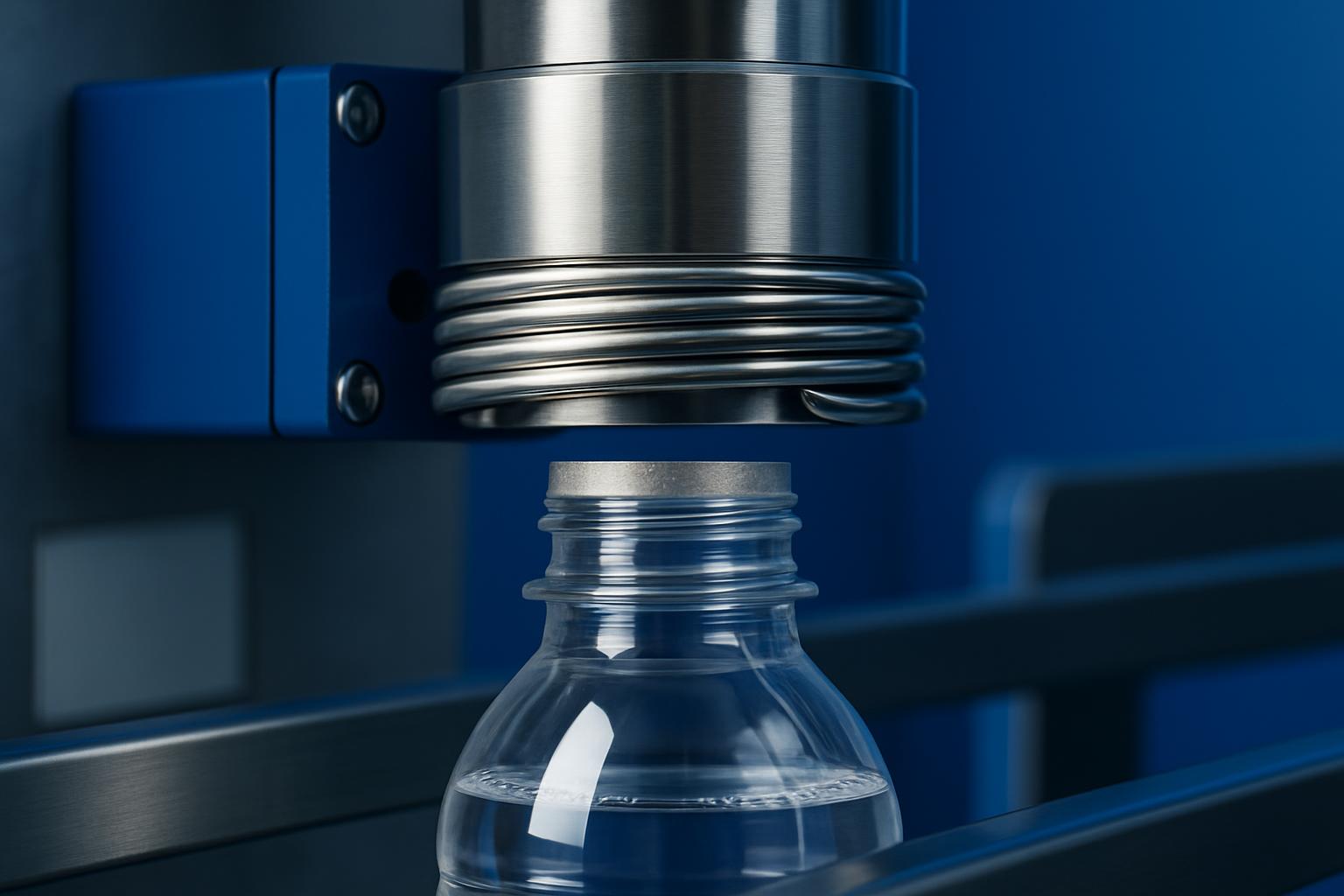
Coil gap guide
Illustrated coil height notes for PET and HDPE.
Open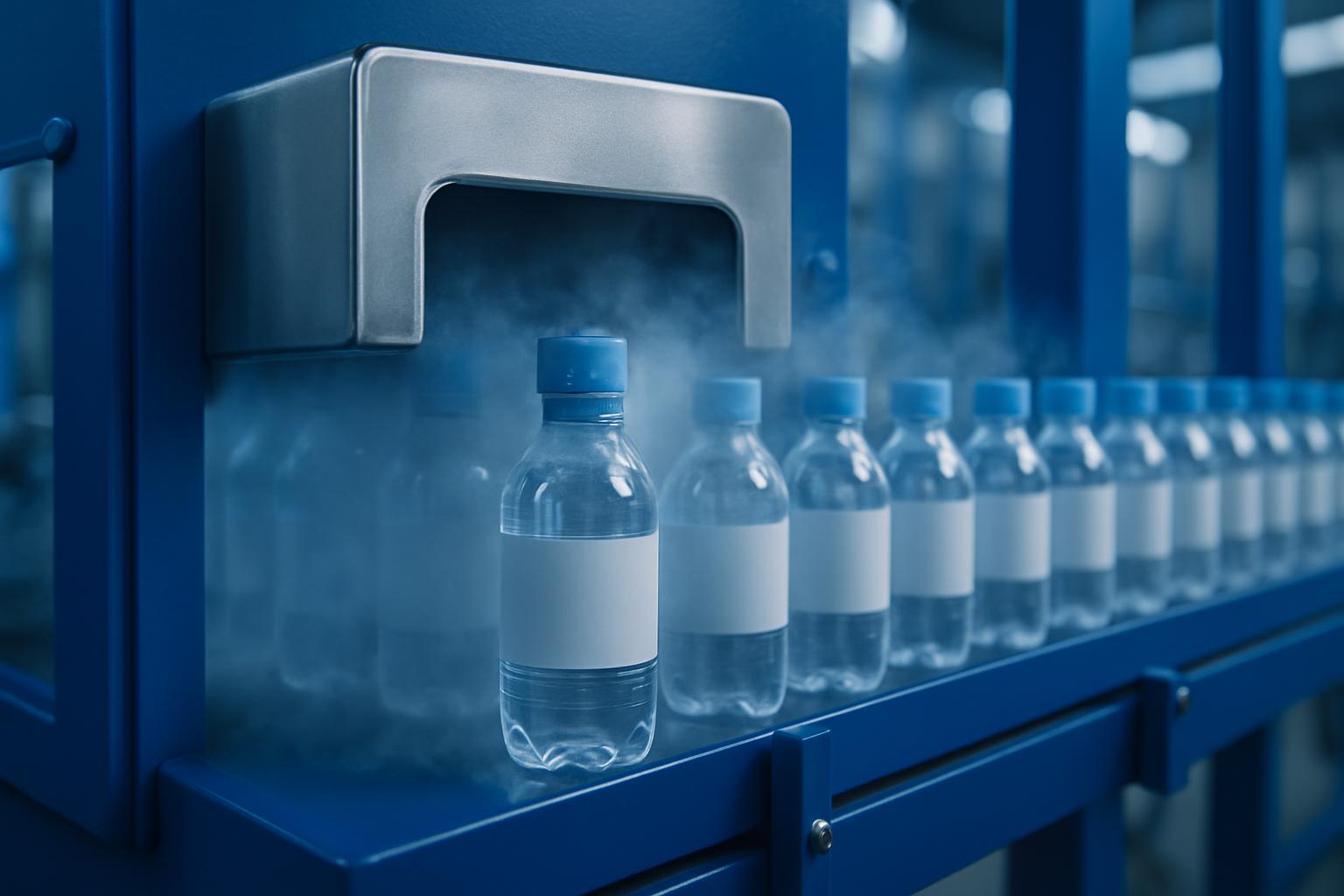
Steam start sequence
Cold start sequence for Steam Tunnel S and L.
Open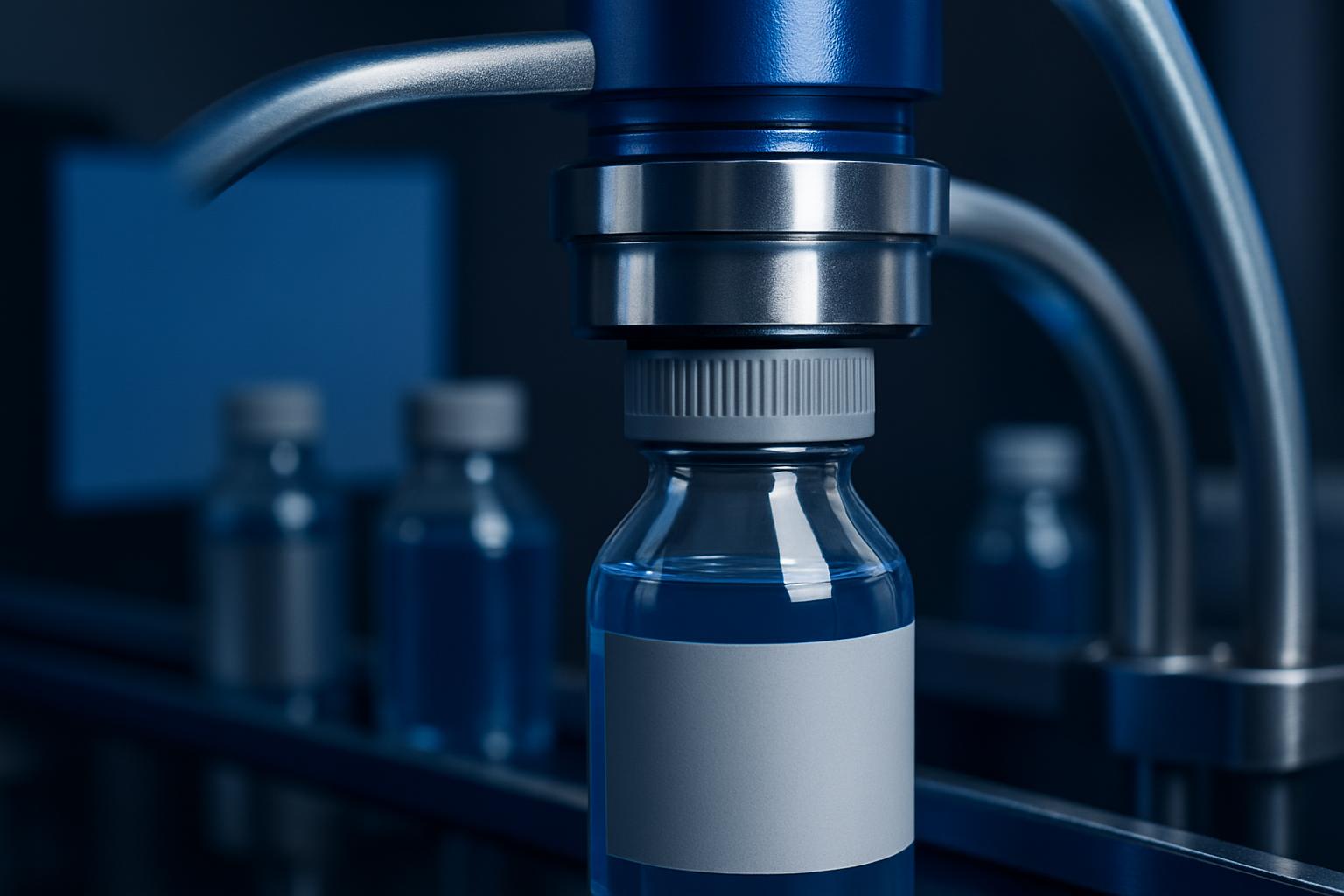
Torque recipe sheet
Blank recipe sheet for Cap Torque Station SKUs.
Open
Vision reject map
Where to place reject pockets relative to cameras.
Open
Foil neck chart
SA neck finish chart for Foil & Die Kit orders.
Open
Band sleeve sizes
Common sleeve heights for beverage and nutra.
Open
Spares schedule
Quarterly coil, belt, and sensor cadence card.
Open
Retrofit bay sketch
One-bay sketch template for Line Integration Rail.
Open
Handoff template
Template for commissioning handoffs sent through our contact form.
Open
Audit photo guide
How to photograph seals for retail auditors.
Open
Power-cut restart
Restart order after power returns to a sealing cell.
OpenBefore you print a card
Print them, laminate the ones that live next to the line and write on them during the shift. A seal check card that has never been filled in does not help anyone at month end.
A few basics sit behind most of them. An induction sealer heats the aluminium foil in the cap liner with an electromagnetic field and never touches the bottle. The heated foil melts a polymer layer onto the land of the bottle. With a two-piece liner a wax layer melts into a pulpboard backing, which stays in the cap once the foil releases. Plastic bottles with plastic screw caps seal most consistently. Glass gives a peelable seal at best because the glass itself does not melt, and metal caps heat up under the coil, so we steer plants away from them.
If a guide does not match your bottle or closure, ask us for a version that does.