Line
Nutraceuticals
Vitamin and powder jars with tamper bands plus induction for retail compliance.
Nutraceuticals
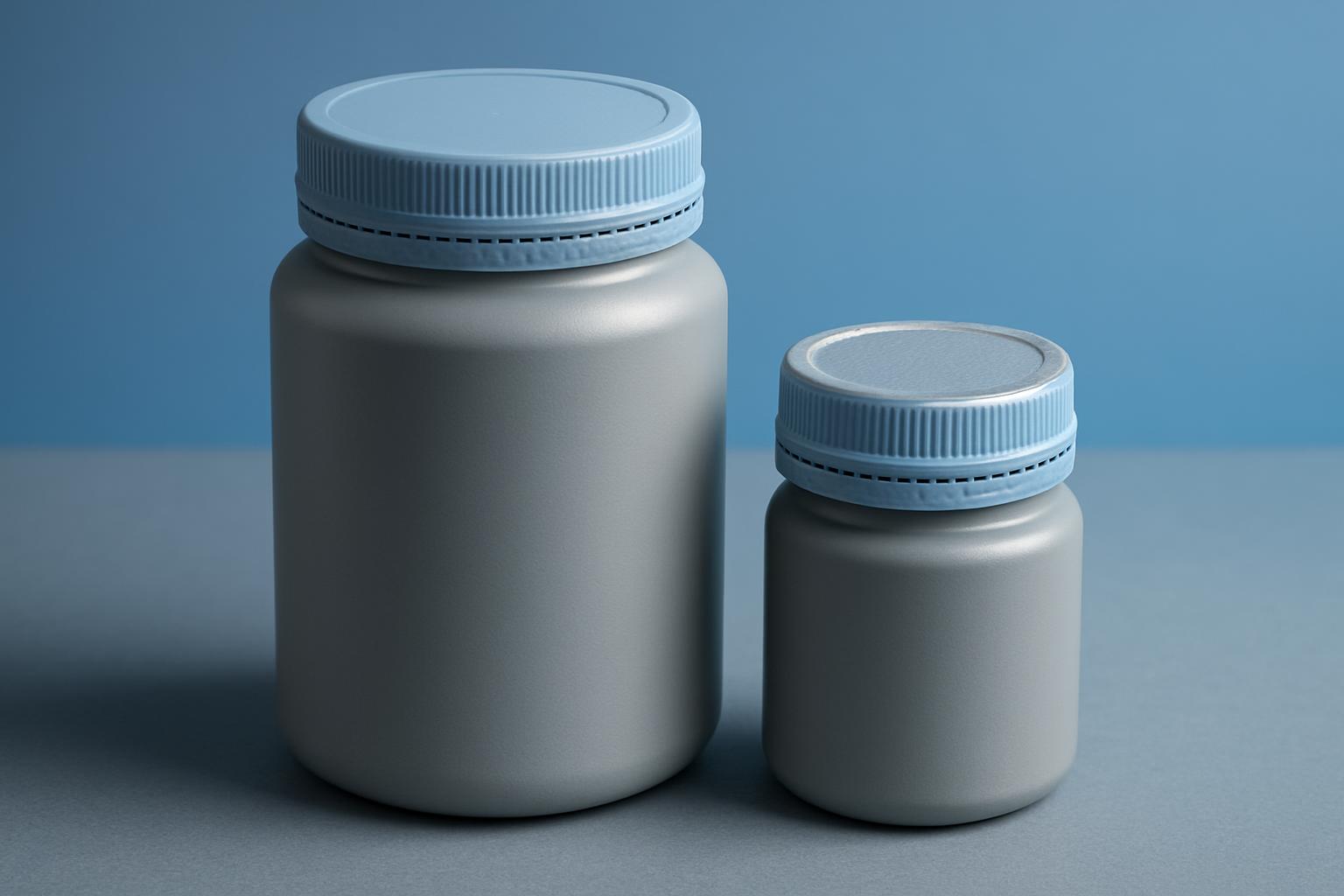
Nutraceutical lines in South African plants run PET vitamin bottles, HDPE capsule jars and wide-mouth powder tubs with ribbed screw caps, flip-top overcaps or large threaded lids. Capsules and tablets bring desiccant sachets into the filling room; powders bring fines that settle on the neck land. Retail packs often need a foil seal plus a visible tamper band.
Room humidity can turn a correct liner into a weak seal. Sachets and liners pick up surface moisture, while whey, collagen, creatine and herbal powders drift during dosing. When the cap closes on dust, the aluminium liner bonds to powder instead of plastic. The fault may appear later as lifted foil, pinholes or a soft peel after transport.
Seal faults seen on vitamin and powder packs
The usual induction failure is a clean ring on one side of the neck and a dull, powdery patch on the other. It comes from weak dust extraction, overfilled powder rising into the cap path, a sachet sitting high in a small bottle, or cap torque drifting after a closure change.
Tamper bands show different faults. A tall sleeve rides onto the shoulder of a small vitamin bottle and wrinkles under steam. A tight sleeve can split at the tear line when it shrinks over a ribbed cap. Wet marks under the band point to condensate carry-over, poor draining or packs moving on while damp.
Recommended set-up for supplement cells
For retail supplement jars that need visible tamper evidence, BottleSealer usually starts with the Band Shrink 120. The setter matches sleeve height, lay-flat width, bottle pitch, steam pressure and tunnel dwell to the cap and shoulder shape. It suits single-lane cells where vitamin bottles, collagen jars and herbal packs share one conveyor.
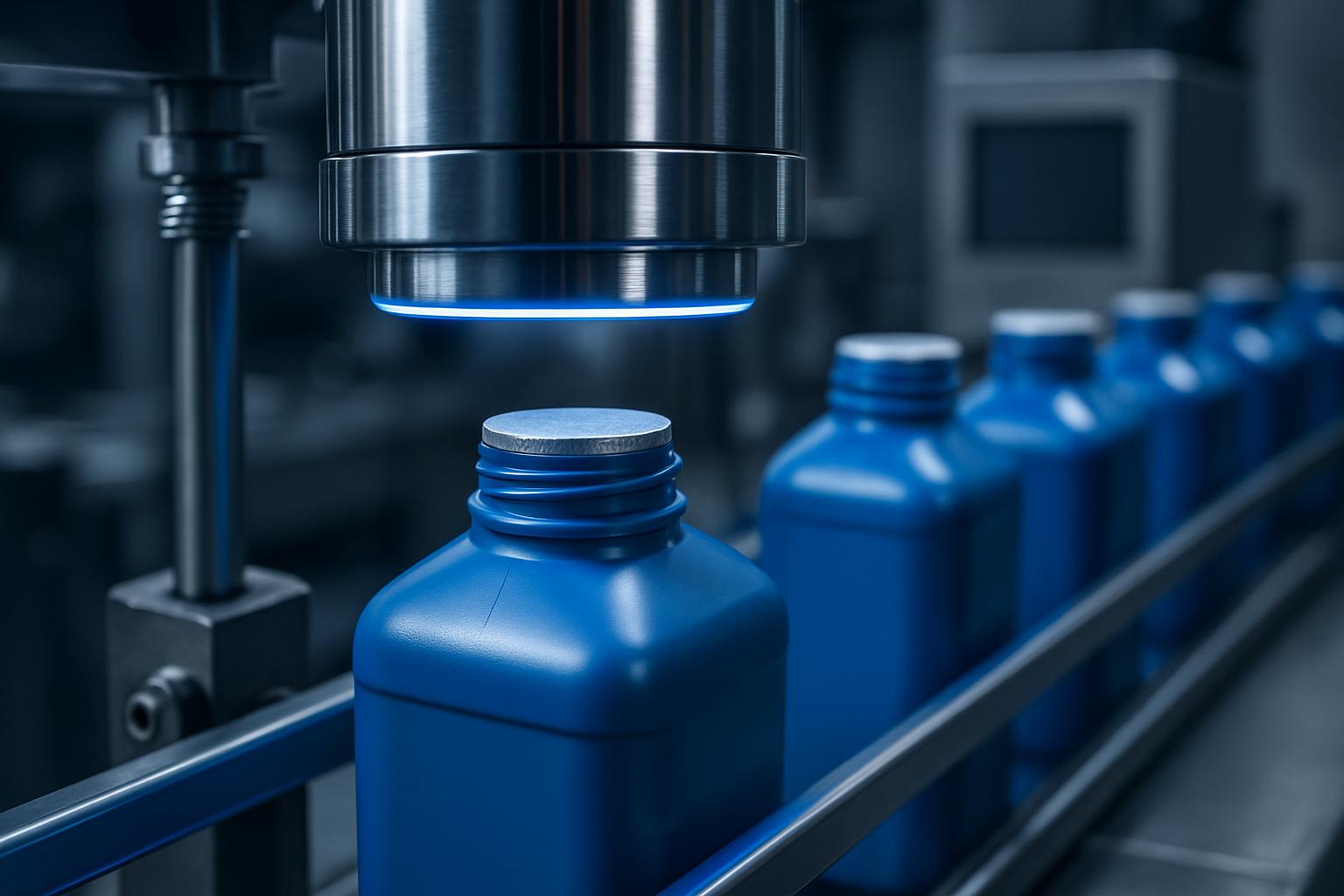
Where the bottle uses an induction foil liner, the Seal Induction Pro sits after capping on the running line. Setters work with cap pressure on the liner, head height above the closure, power and line speed. The Cap Torque Station stores recipes so each closure is tightened to a repeatable value.
From filler to case packing
A sound sequence starts with bottle feed and filling, then a neck-cleaning point where extraction, vacuum or a controlled air wipe removes powder from the land. Desiccant sachets are placed clear of the threads, the capper tightens to the saved recipe, and induction sealing bonds the liner while the cap holds it flat.
Operators then pull sample foils, inspect the land ring and invert selected bottles. When tamper banding is specified, sleeves are fed square, placed over the closure area and steamed to the cap profile. Maintenance leads watch steam hood seals, sleeve tray alignment, guide rail rub marks and sensor timing after bottle diameter changes.
Typical customer situation
A Gauteng co-packer running contract vitamins asked for one cell to handle PET capsule bottles in the morning and a short powder jar run in the afternoon. Their complaint was retail returns for loose foils after humid days and powder caked around the neck. Samples came to the counter in Meadowdale Industrial, Germiston.
The set-up kept induction on the bottle range, added measured torque recipes for each closure, and put tamper band settings onto a changeover sheet. The powder jar received a stronger neck-cleaning step before capping, while the vitamin bottle received tighter sachet placement control. Send jar material, neck size, cap type, sleeve height, target rate and failure photos through our contact form.
What our Bottle Sealing customers say
Verified Google reviews