Line
Sauces and condiments
Sauce and condiment PET where incomplete seals spoil pallets in summer heat.
Sauces and condiments
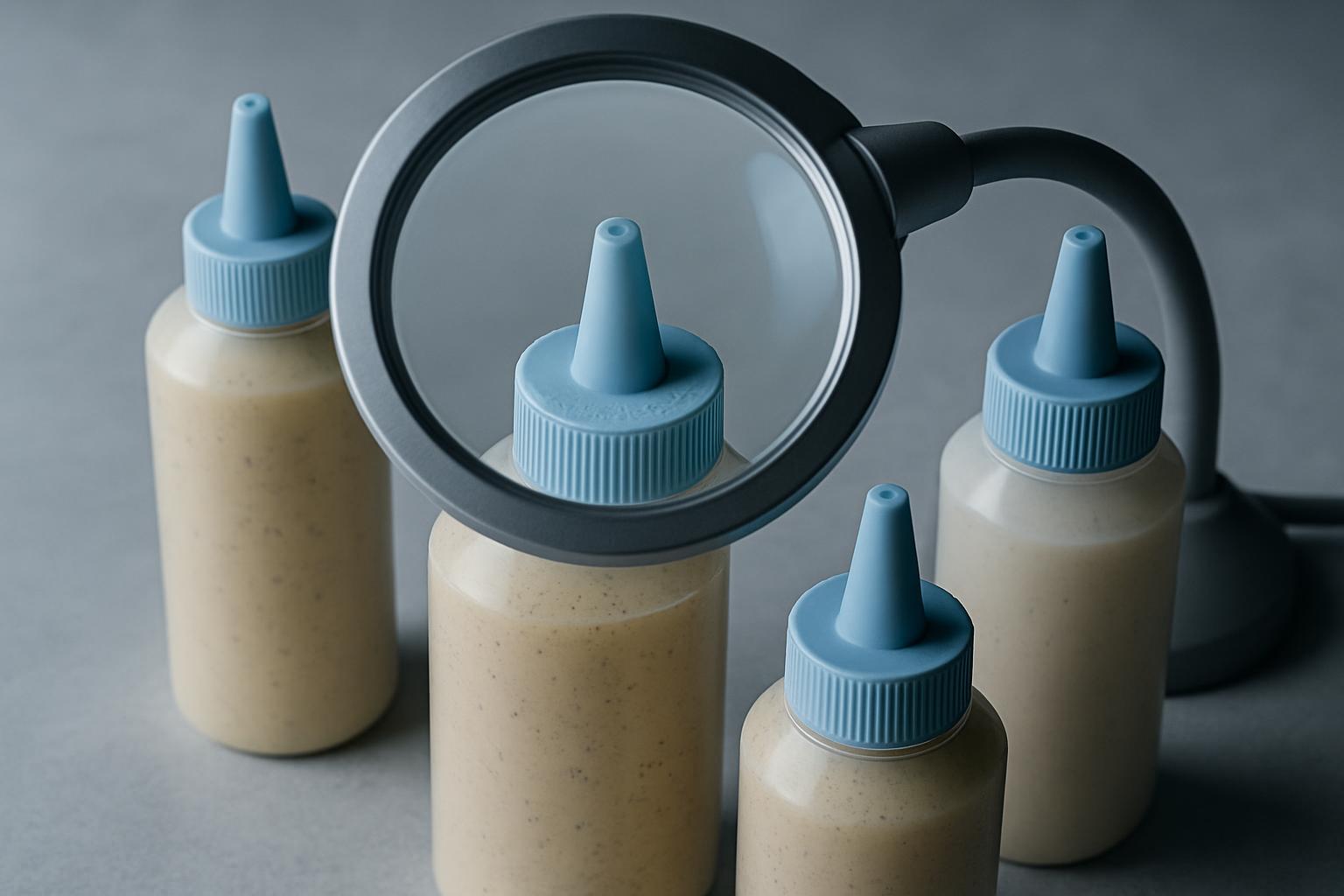
Sauce and condiment packing in South Africa covers tomato sauce, chutney, peri-peri, mustard, marinades, salad dressings and thicker pourable mixes. Most plants pack these products in PET or HDPE with PP closures, using induction liners on common sauce neck finishes and change parts that cope with sticky caps. Fill can be warm, acidic, oily or sugary, so the bottle mouth must reach sealing clean, round and capped under steady pressure.
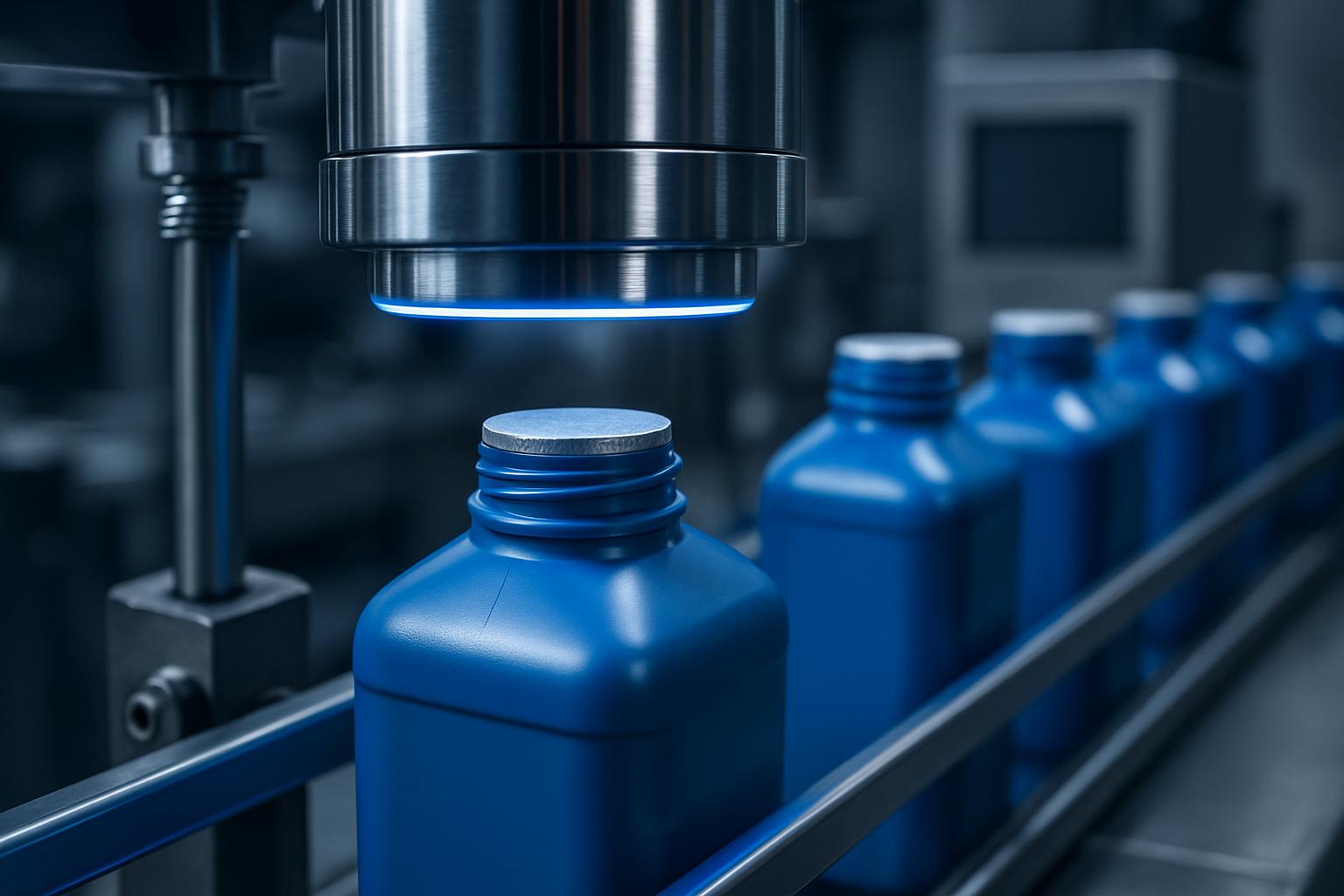
BottleSealer sets sauce lines around rejection of bad packs while they are still single bottles. Seal Inspect Vision uses an inline camera, light bar and air reject to flag missing foils, cocked liners and part-bonded seals. On sauce PET, the job is to stop leaking packs from reaching cartons during hot dispatch and warehouse holding.
Where sauce seals fail on the floor
Most sauce failures start at the bottle land. Product splash after filling can put oil, vinegar, sugar solids or spice particles on the sealing face, and the liner bonds to contamination instead of plastic. Low cap torque gives poor liner contact; excessive torque can distort a light cap or neck. Oval necks, tilted caps, double-fed liners and heat-softened PET show up as partial seals, weeping shoulders or sauce staining under the cap.
Neck bands need their own checks. A loose sleeve wanders during transfer, while a tight sleeve drags on the cap skirt. Steam setting, bottle pitch, perforation position and condensate removal decide whether the band shrinks squarely around the closure. Wrinkles near the tamper tear line usually point to sleeve width, height or wet carry-over rather than the induction seal itself.
Recommended sauce and condiment set-up
For continuous PET and HDPE sauce work, BottleSealer normally pairs Seal Induction Pro with controlled cap torque and matched induction liners. The filler and capper must present bottles at a steady pitch, with caps seated flat and no sauce threads under the cap. Seal Inspect Vision then checks each capped bottle after sealing and removes suspect packs into a reject pocket for setter review.
Where retailers specify a visible tamper band, Band Shrink 120 is fitted after the foil seal check or in a compact cell for selected SKUs. Sauce plants use it for cap-and-neck bands on tomato sauce, chilli sauce and marinades where shelf presentation matters. Setters confirm the band blank size, tear line position, steam valve setting, bottle spacing and dryness before the pack reaches the labeller.
From filler to cartons
A clean sauce sequence starts with fill height control, wipe or drip management, cap placement and cap torque sampling. Bottles then pass through induction sealing, cool briefly on the conveyor and enter vision inspection. Rejected packs exit the main flow at once. Good bottles move to neck banding when specified, then drying, labelling, date coding, tray or carton loading, case marking and palletising. Each handover point must keep sticky bottles upright and evenly spaced.
Maintenance, fit and a typical request
Daily sauce-line care is practical: clean the vision glass before dried chilli, oil or sugar haze affects detection, check the light bar face, drain condensate near steam equipment and clear sticky build-up from guides. Maintenance leads should record cap torque by SKU, keep liner batches separated, test reject timing at start-up and after changeovers, and keep air nozzles aimed at the reject pocket. Trial packs for sauce work should include filled and empty bottles, closures, liners, expected fill temperature and the neck-band sample used on retail packs.
A KwaZulu-Natal sauce co-packer needed leaking tomato sauce and chilli sauce bottles identified before they marked cartons on mixed runs. Operators saw leaks only after packing, with the worst failures after hot dispatch days. BottleSealer set up induction sealing with torque checks, Seal Inspect Vision for missing and incomplete foil detection, and a neck-band station for retail SKUs. Reject samples then showed whether the cause was product on the land, cap seating or liner variation.
What our Bottle Sealing customers say
Verified Google reviews