
Fixture
Steam hood seal
Hood gasket set for Steam Tunnel S and L chambers.
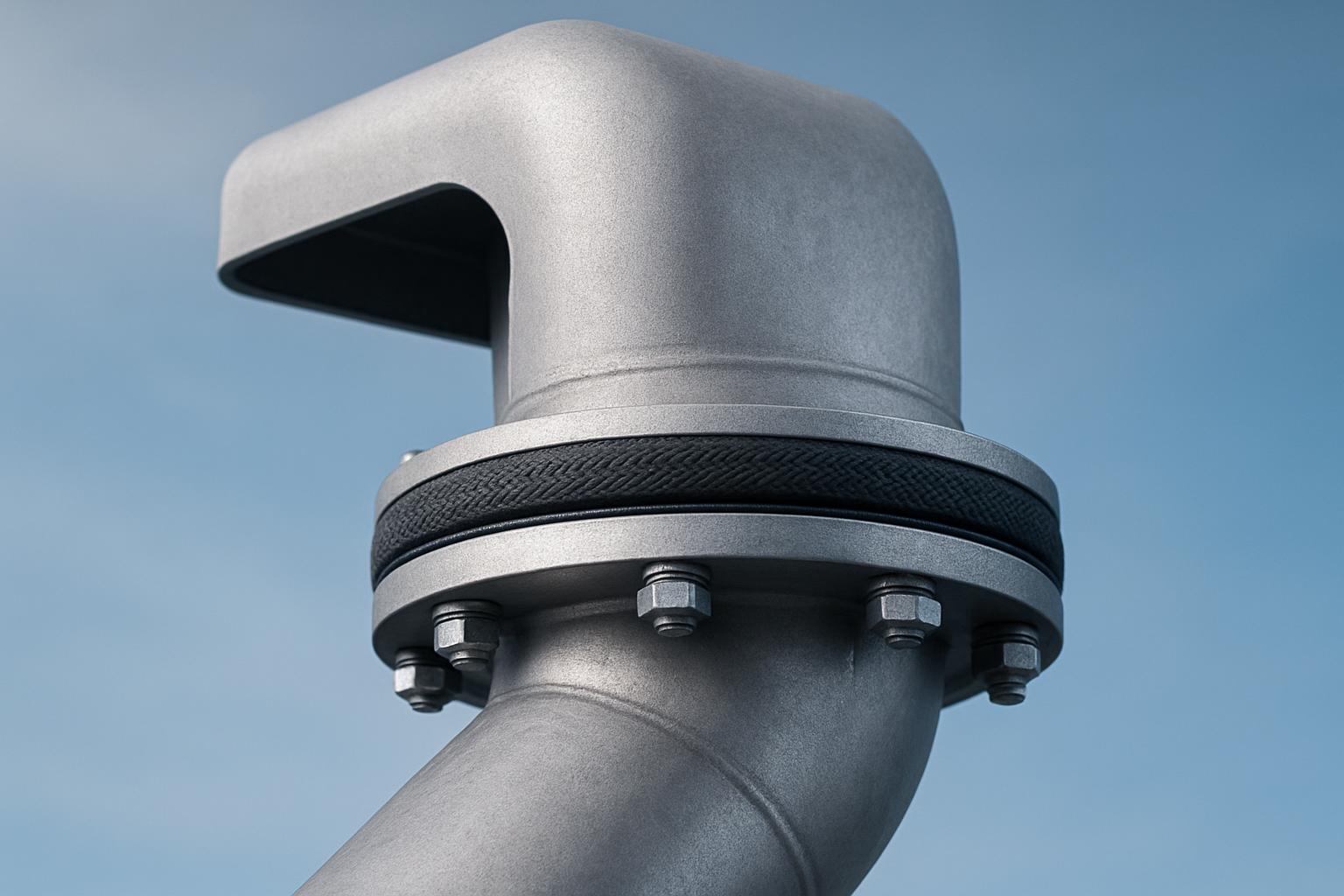
Steam hood seal
The steam hood seal gasket set closes the hood edge on BottleSealer steam chambers while sleeves shrink around caps, necks and shoulders. An even gasket face keeps steam pressure and dwell stable across the shrink zone, so the sleeve pulls down to the planned height and the tear perforation stays in line. Operators see the benefit during start-up, where one-sided shrink and wet marks at the chamber edge are quick to spot.
This part pairs with the Steam Tunnel S for narrow-mouth sleeve finishing and the Steam Tunnel L for larger-mouth gallon bottles and handled jerry cans. It suits sleeve lines where the container spacing, sleeve lay-flat and sleeve height are already set, and the chamber needs a clean hood closure to hold steam at the shrink zone.
What the gasket does during sleeve shrink
The sleeve enters the chamber at the chosen pitch, with its height set to the pack drawing and the tear strip position. Steam then shrinks the material into the bottle profile. The hood seal contains vapour along the hood perimeter, giving the setter a steady read on steam pressure, dwell, lower edge grip and tear perforation tracking during start-up and SKU changeover.
On wide-mouth containers, handles and shoulders can hold condensate, so a tired hood edge shows as extra dripping and slower drying after the chamber. On narrow-mouth packs, the same wear often appears as a loose section near the cap skirt or a perforation line that leans to one side while the sleeve feed remains square.
Fitting steps on Steam Tunnel S and L
Isolate the steam supply, stop the conveyor and let the chamber cool before working on the hood. Lift the hood, remove the old gasket, then clean the seating channel, especially scale, sleeve dust and sticky residue. Press the new gasket into the channel without stretching it. Start at the centre of each straight section and work towards the corners so the face sits flat.
Close the hood by hand and check contact around the full perimeter. Bring the tunnel back to the plant’s normal steam pressure and run a small batch on the normal container spacing. Read the top edge, lower edge and tear perforation before changing other settings. If the chamber needs a controlled restart sequence, follow the steam start guide for warm-up, condensate clearing and first-pack checks.
Adjustment and routine checks
After fitting, adjust the hood closure so the gasket compresses evenly without being crushed at one corner. A heavy corner pinch shortens gasket life and can push the opposite side open under steam. Confirm sleeve fit at the normal dwell setting, then check drying after the chamber. Wet streaks directly below one hood edge point back to gasket seating or channel dirt.
Inspect the gasket face during daily start-up and after washdown. Weekly checks should look for flat shiny sections, hard spots, cuts from cleaning tools, swollen corners, loose ends and scale behind the seal. A quick wipe with a cloth finds raised sections that may pinch when the hood closes. Replace the set when steam escape or uneven sleeve finish returns after cleaning and seating checks.
What to quote when ordering
When ordering, quote Steam Tunnel S or Steam Tunnel L, the chamber position if the site runs more than one tunnel, and the current sleeve format. Include sleeve height, bottle type, usual container spacing, steam pressure range and the line symptom, such as condensate at the hood edge, slow drying, uneven pull-down or poor tear perforation tracking.
For spares, send hood photos and sleeve samples through our contact form. Show the old gasket sitting in its channel, the corner joins and one rejected pack, so the replacement set can be matched to the chamber and the sleeve duty.
What our Bottle Sealing customers say
Verified Google reviews