
Fixture
Torque head pad
Replaceable pads for Cap Torque Station recipes.
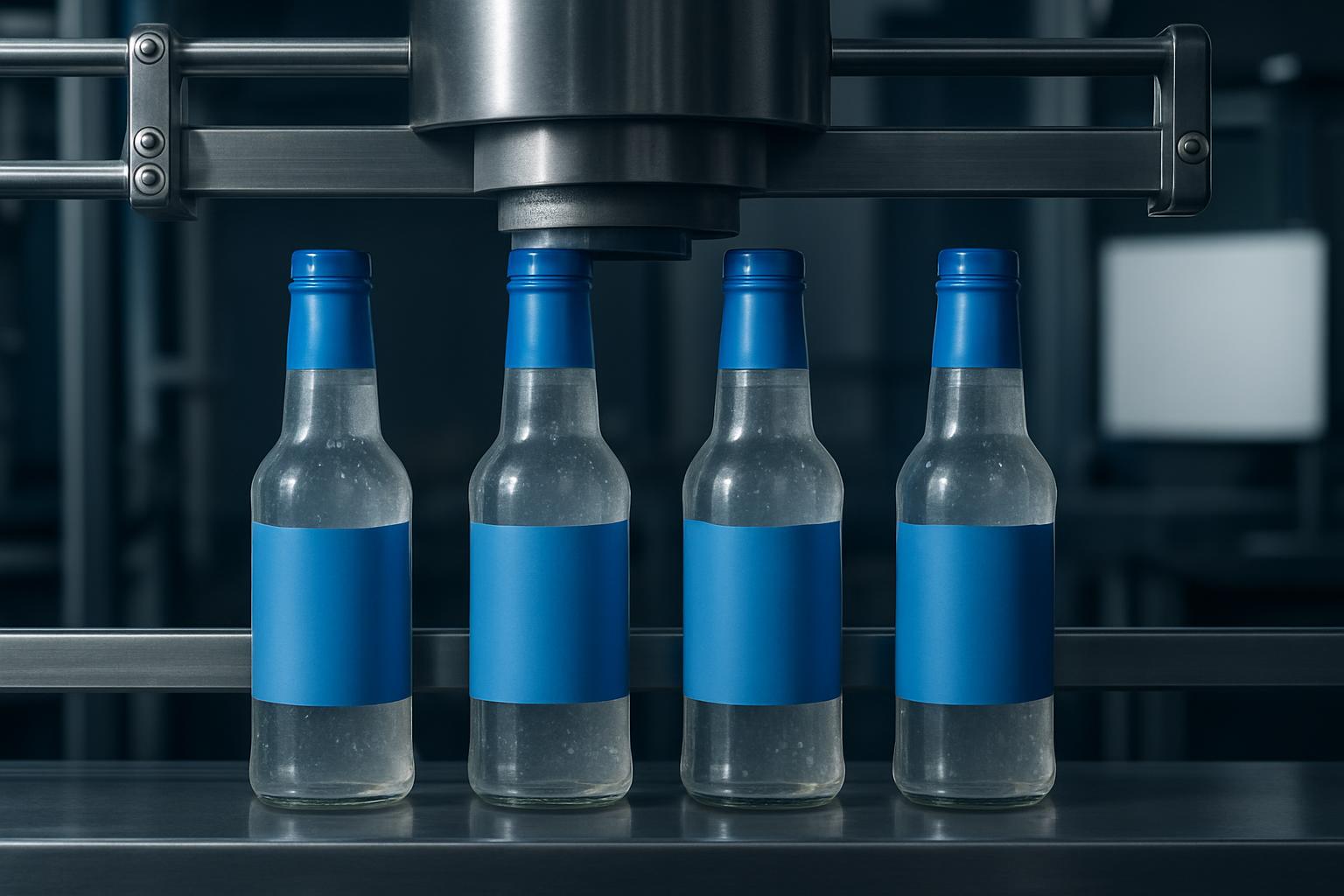
Torque head pad
The torque head pad is the replaceable contact face inside the head assembly on the Cap Torque Station. It grips the cap top while the servo applies the recipe torque. On a mixed packing line, this pad is the part that turns 28 mm, 33 mm, 38 mm and 45 mm closures without slipping or marking the closure face.
Pad wear often shows up during SKU changeover. A small beverage closure may run cleanly, then a larger ribbed chemical or personal care cap starts polishing a ring into the pad. When the face loses grip, operators may raise torque to compensate, while the worn contact surface is the fault that should be changed.
Where it fits on BottleSealer machines
This pad pairs with the Cap Torque Station and its saved torque recipes. The torque recipe sheet should list cap diameter, closure style and pad notes, so setters can see whether the last approved run used a fresh pad or a worn one. That record cuts guesswork when a cap feels tight but fails the torque check.
On rail-mounted cells, the capper can run on a Line Integration Rail, where the guides hold the container centreline under the torque head. The rail sets the bottle path; the torque head pad supplies the grip on the cap face. If guides are centred and torque scatter remains high, inspect this pad before changing sensor or stop settings.
Fitting and setting the pad
Fit the pad during a planned stop with the active recipe noted. Stop the capper, isolate the station, raise the head to a safe service height, remove the retaining cover or carrier, and take out the worn pad without scratching the seat. Wipe the seat clean, press the replacement fully home, refit the carrier, and check that the pad sits flat.
Return the head to the saved position for that container and run capped samples through the recipe. The pad must land on the cap face, not the tamper band, bottle shoulder or raised pourer detail. Run the normal torque test and compare it with the approved setting. If the cap top is domed or heavily ribbed, watch the first samples for spin marks.
Wear checks and replacement signs
Check the pad face at the start of each shift that includes torque capping, again after a cap size change, and after washdown if the head has been handled. Look for glazing, flat spots, cracked edges, rubber dust, product residue and a polished ring that matches the cap diameter. A good pad has an even gripping face without gouging the cap decoration.
Replace the pad when torque results drift while cap supply, bottle height and guide position stay unchanged. Other signs include caps turning under the head without tightening, scuffed cap tops, sudden operator over-adjustment, or a recipe that worked yesterday needing extra torque today. On oily products, clean the face first so wear marks are visible under good light.
What to quote when ordering
When ordering, quote Cap Torque Station, the cap diameters in use, closure style, product family, and whether the capper is rail mounted or bench positioned. Photograph the worn pad face square-on, then photograph the cap top when ribs, embossing or a tall flip-top feature affect contact. Email the pad notes through our contact form with the active torque recipe name.
Keep a spare pad with the changeover kit beside the recipe sheets and record the date fitted. A worn pad and matching closures give the Meadowdale Industrial, Germiston counter a direct comparison point for the replacement contact face. For planned service visits, spares support can align pad replacement with capper checks and setter training.
What our Bottle Sealing customers say
Verified Google reviews