Resource
Audit photo guide
How to photograph seals for retail auditors.
Audit photo guide
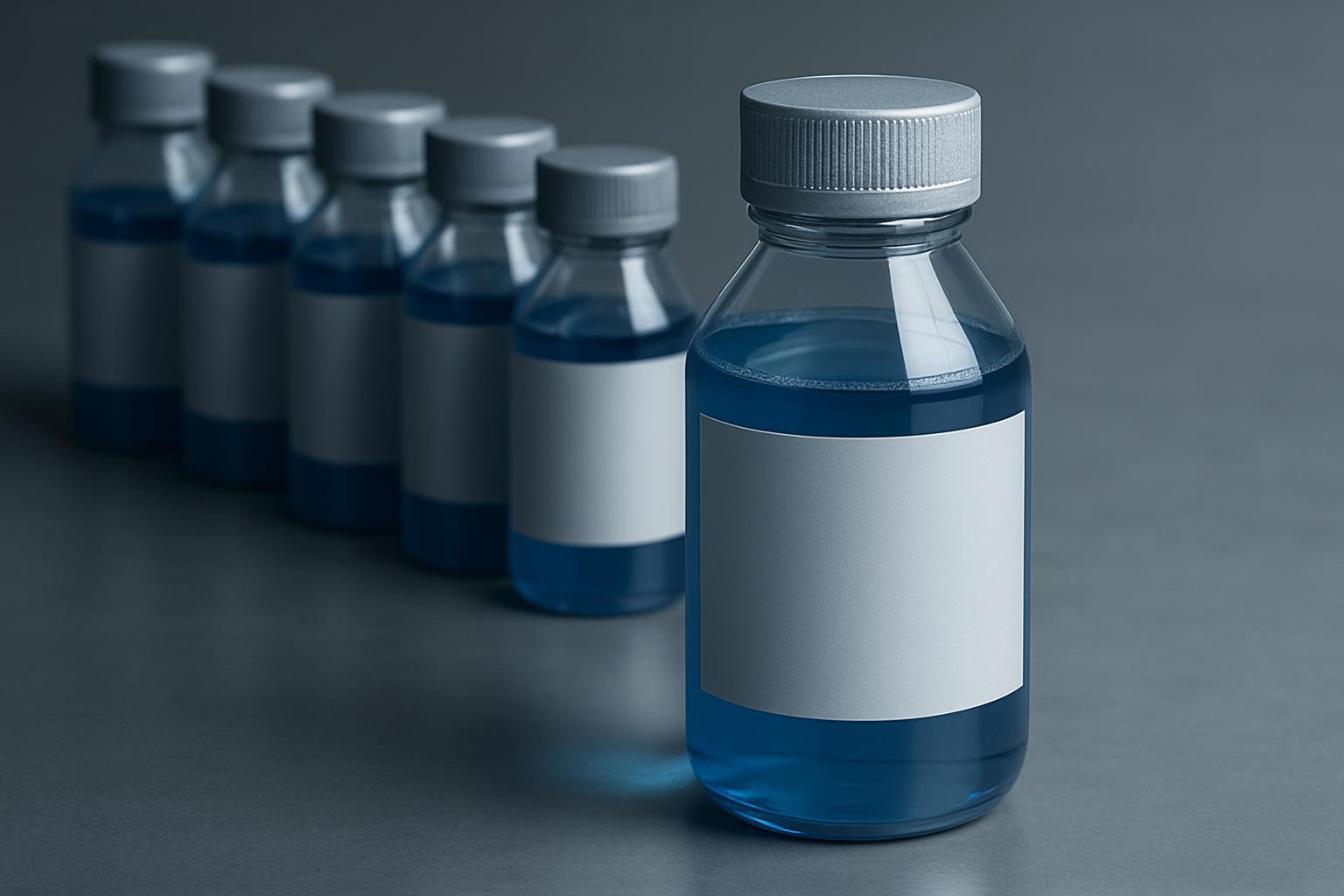
The audit photo guide is used when a retailer, export checker or plant manager asks for proof of a finished seal. Line setters use it at start-up and changeover, maintenance leads use it after capper or steam adjustments, and QA uses it with the seal check card. The photo must show the pack, seal area and written plant detail in one frame.
Use it in a fixed order: plant town, date, line or cell name, SKU, neck size, seal type, machine used and sample point. Write neck size as 28, 33, 38 or 45 mm where that applies. Put the note beside the upright bottle under plain light, then centre the cap and neck before taking the shot.
Induction seal photo step
For induction packs, peel the liner and photograph the aluminium foil face beside the opened bottle. Keep the cap close enough to show cap contact marks. Tap focus on the phone over the foil edge and hold the lens square to the bottle mouth. If the sample came from a benchtop run, note Seal Induction Compact; for hand-paced trials, note the Manual Hand Sealer.
The image should show the bottle land, lifted foil edge and any leak path. Product on the neck, scorched liner print, half-moon lift marks and loose wad pieces must be visible in the photograph. When capping settings form part of the check, photograph the torque read-out or write the matching Cap Torque Station recipe beside the sample note.
Shrink sleeve photo step
For a tamper band photo, capture the finished sleeve after steam shrinking. Centre the tear line, sleeve height and lower edge in the frame. The camera should show any wet neck area, sleeve lift at the shoulder, twist in the perforation or wrinkle near the cap skirt. For dual-lane runs, write lane one or lane two on the note.
Wide caps, jerry cans and gallon packs need a lower camera angle, because the lower sleeve edge can sit under the cap shoulder. If the pack has passed through Steam Tunnel L, record that on the note. Turn glossy branding away from the lens when it reflects light across the sleeve.
Worked example and common mistakes
A complete entry might read: “Germiston, 18 September, Line 2, chilli sauce 500 ml, 38 mm, induction foil, capper recipe 38-SAUCE-A, start-up sample.” The photo shows the upright bottle, written note beside it, peeled foil face up, and cap next to the mouth with pressure marks visible. QA and maintenance can then discuss torque, liner choice and seal appearance from the same image.
Common mistakes are easy to spot: the note sits behind the bottle, the date is missing, the phone focuses on the brand label, or glare hides the foil pattern. On sleeve packs, the tear line is turned away, the wet neck area is cropped out, or the lane number is missing. For later review, keep the retained sample bagged with the same note so the photograph can be matched to the actual cap, liner or sleeve mark.