Line
Water and soft drinks
High-speed water and soft drink SKUs sharing dual-lane band shrink.
Water and soft drinks
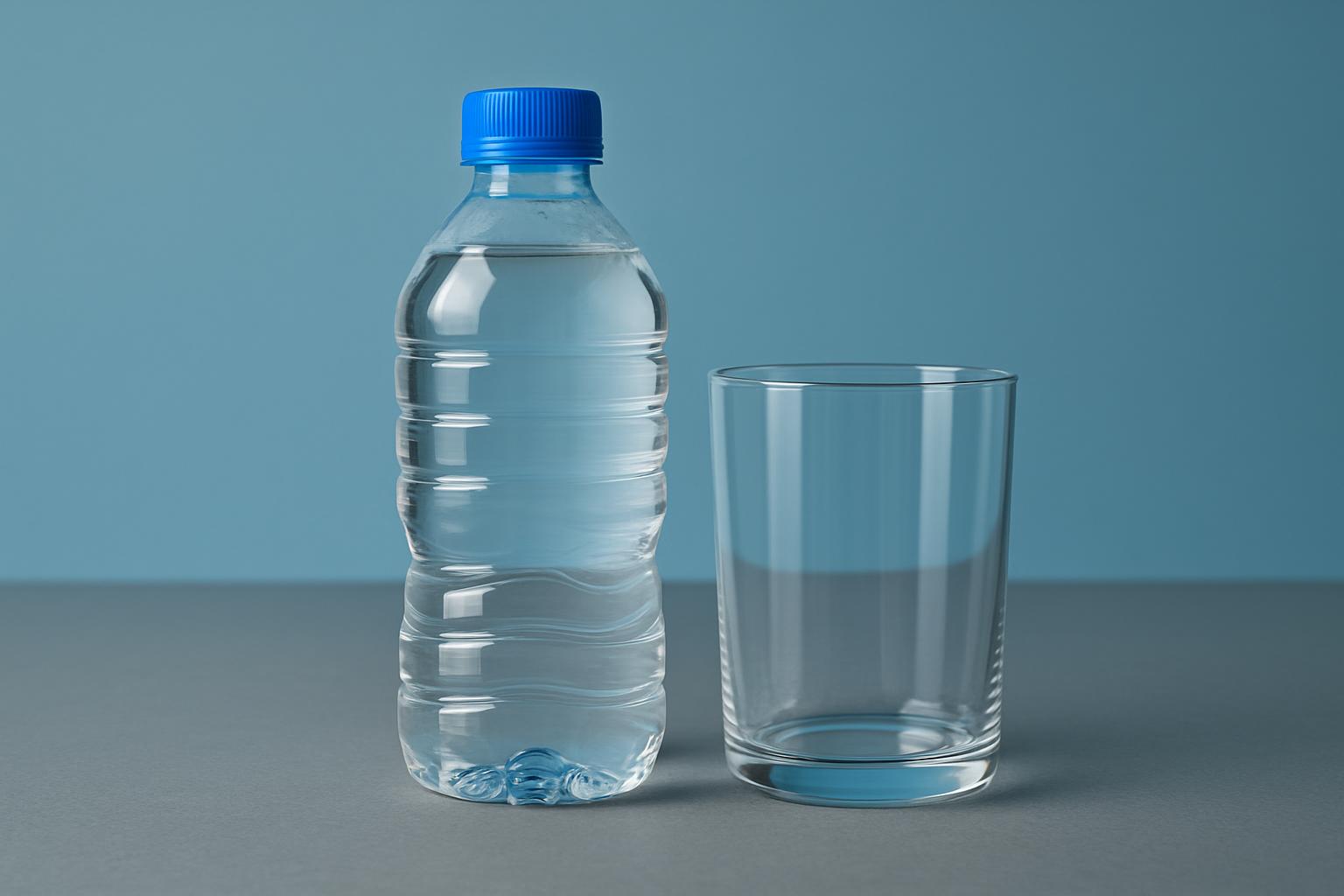
Water and soft drink plants in South Africa often share one neck-banding cell across still water, carbonated drinks, flavoured water and RTD bottles. Packs are usually light PET with 28 mm water caps, taller 33 mm carbonated closures and larger sports-drink necks. The tamper band must shrink over cap ribs and the neck bead while the bottle stays in pitch. For shared high-speed beverage work, Band Shrink 240 handles two parallel bottle streams, with each lane set for 120 bpm when sleeves, spacing and steam are stable.
Packs, sleeves and fill behaviour
Still water reaches banding close to ambient temperature, while cold-filled or carbonated drinks may carry wet shoulders and pressure under the cap. A chilled 500 ml bottle can bring condensate into the shrink zone, while a tall 1 litre soft drink neck may need added sleeve length to cover the cap skirt, with the tear perforation kept clear of the closure bead.
Sleeve fit starts with lay-flat width against cap diameter, then sleeve height against the cap and neck shape. A tight sleeve scuffs during placement and can split on cap ribs. A loose sleeve rotates, folds at the skirt or finishes with a baggy lower edge. Tear perforation should land where the shopper can grip it.
Failure modes seen on beverage lines
Split sleeves, lifted lower edges, twisted tear strips and bands sitting low on the cap usually trace back to set-up. Splitting points to wrong sleeve width, sharp closure ribs or too much steam pressure too early. Lifted edges come from short dwell, uneven heat wrap or bottle pitch drifting through the steam path.
Condensate creates separate faults on chilled water, ambient water and carbonated soft drink packs. Wet bottles can drip into guides, sleeve trays and the tunnel base, then mark the next sleeve or let the band move before it shrinks. Drying after the tunnel protects labels, date codes, carton board and trays during packing.
Recommended set-up from filler to packing
The normal sequence is filler, capper, band placement, steam shrink, drying, label application, date code, accumulation and case packing. The banding cell needs straight conveyor after capping so bottle pitch settles before steam entry. Body guides need a light touch on thin PET, and the sleeve delivery area has to place the cut band straight over the closure without skewing the perforation.
The dual-lane bander is often paired with a Line Integration Rail so sensors, guides, reject timing and bottle spacing suit the plant’s conveyor. Smaller co-pack or trial runs can use Band Shrink 120. The band sleeve size guide gives a starting point for 28 mm, 33 mm and larger beverage closures before plant trials on filled bottles.
Maintenance and customer situation
Line setters should log steam pressure, dwell, bottle pitch, band length, sleeve top position and tear strip location for every water, soda and RTD SKU. Maintenance leads should inspect steam hood gasket wear, blocked drains, loose guide clamps, wet sensor faces and worn sleeve feed parts. A cap supplier change can alter rib height, so the next sleeve batch should be checked on filled bottles.
A Gauteng co-packer running still water in the morning and carbonated soft drinks after lunch asked for one banding cell that could change neck sizes without moving the filler or capper. The set-up used twin lanes for peak water volume, saved separate steam settings per cap family, and added drying after the tunnel so labelled bottles reached tray packing with dry necks.
For a sleeve trial, send sample bottles to Meadowdale Industrial, Germiston, or send a message through our contact form with cap diameter, filled-bottle height, cut sleeve size, drink temperature and carbonation status. Those details steer steam pressure, dwell, final band height and post-tunnel drying around the actual beverage pack.
What our Bottle Sealing customers say
Verified Google reviews