
Kempton Park
Kempton Park spares rollout
Quarterly Spares & Care Kit across a five-cell fleet.
Kempton Park spares rollout
The Kempton Park site bottles carbonated beverages on five sealing cells, with PET neck finishes moving mainly between 28 mm and 33 mm. The job started when maintenance wanted one repeatable spares pack for every cell instead of urgent parts searches during flavour and format changes. The rollout centred on the Spares & Care Kit and the checks each line setter could run at the filler handover.
The fleet combines manual wand stations for trial and rework bottles, continuous induction cells for production runs, steam shrink neck-band stations and torque checking. The issue was practical: a wrong wad stack, worn belt or tired sensor at 33 mm changeover put the shift into extra sampling and rework.
Survey and kit build
During the survey, the team logged conveyor direction, capper position, open bay length, bottle pitch and where setters could reach parts without crossing the filler walkway. Each cell was tagged by sealing duty and neck finish. Samples from the 28 mm and 33 mm closures were matched back to the plant’s Foil & Die Kit list so that changeover parts followed the bottle, not a shared cupboard.
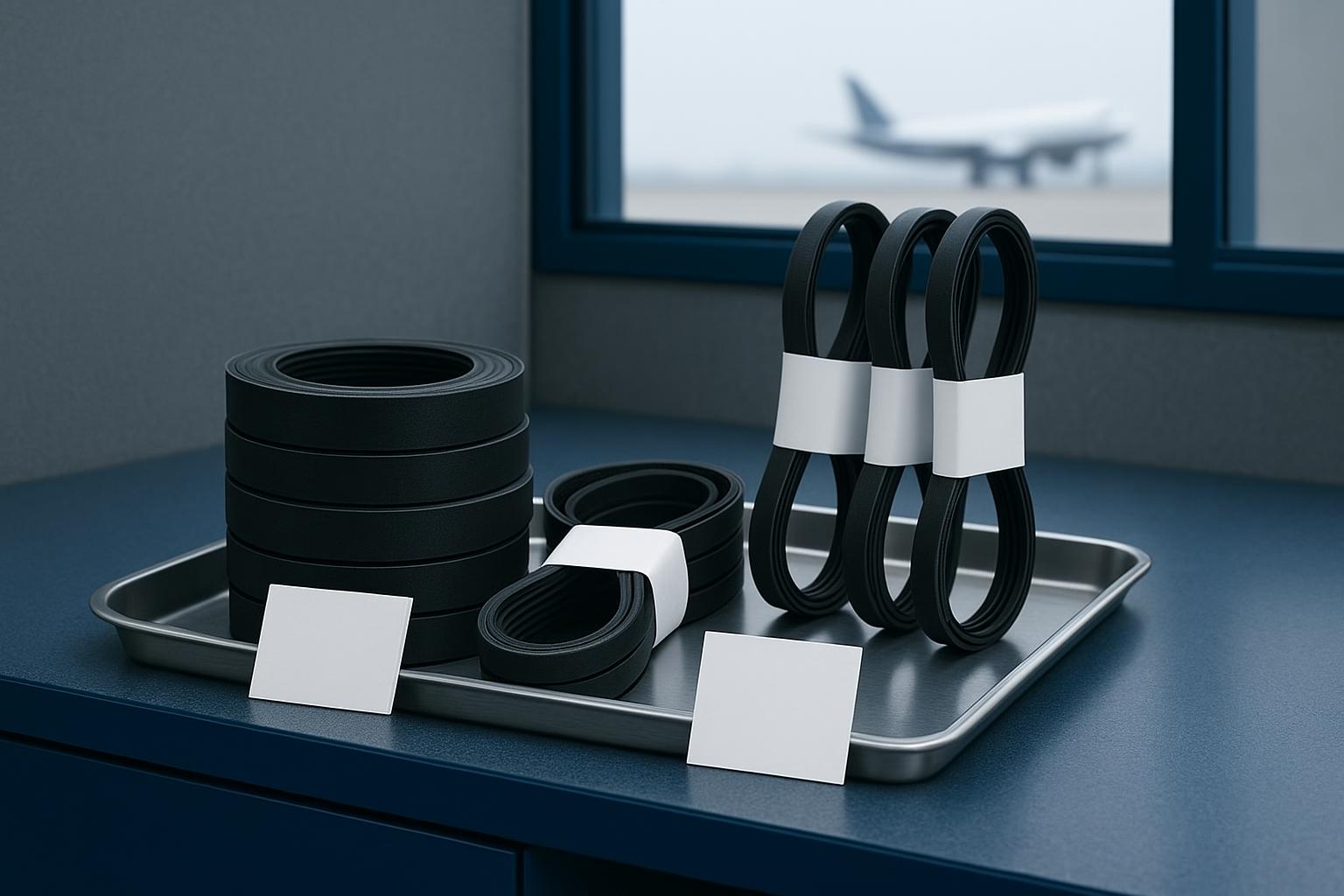
The set-up sequence started with a clean cap land check, then cap torque, wad confirmation, sealer warm-up and first-off sampling. On the Seal Induction Pro cells, setters recorded cap size, power setting, belt condition and sensor response on the care card. The manual stations received labelled wand rests, spare liners and die references for short runs and rework.
Fault traced during week one
A fault showed up in the first week on one 33 mm beverage run. The first bottles passed visual checks, but later peel pulls showed a lifted edge on one side of the liner. Operators first suspected the sealer because the symptom appeared after the induction station. The settings matched the card, the belt tracked squarely, and the same cap and foil batch sealed cleanly on the next cell.
The trace moved upstream to the capper. Torque readings were drifting as the run warmed up, and the cap skirt showed light scuffing where the gripper inserts had polished smooth. The team fitted replacement grips from the Cap Torque Station spares, reset the recipe and repeated the start-up sample set. The liner sat flat, peel pulls opened evenly, and leak samples cleared the handover.
Sleeve and spares separation
For the steam neck-band cells, the rollout separated sleeve wear items from induction wear items so a setter did not raid one cell to finish another. The care packs for those cells carried sleeve feed, steam hood sealing parts and washdown recovery items. The Kempton Park team now checks sleeve height, perforation line and bottle presentation before the steam valve is opened.
Current running routine
Today the five-cell fleet is run from a simple routine. At start-up, the setter confirms the neck finish, checks the cap torque recipe, wipes the cap land sample, runs first bottles through sealing, then records visual result, peel pull and leak sample. At SKU change, old wads are cleared, the new die reference is read back, and the spare belt or sensor kit stays with the cell named on the card.
Spares are packed through the counter in Meadowdale Industrial, Germiston, close enough for Gauteng plants to plan urgent collections around production meetings. For the next Kempton Park care pack, the plant sends neck finish changes, worn part notes and fault photos through our contact form. That history keeps the quarterly pack tied to the actual cells, not to a generic shelf list.
What our Bottle Sealing customers say
Verified Google reviews
