Paarl
Paarl dairy compact
Compact induction on thin cultured dairy bottles.
Paarl dairy compact
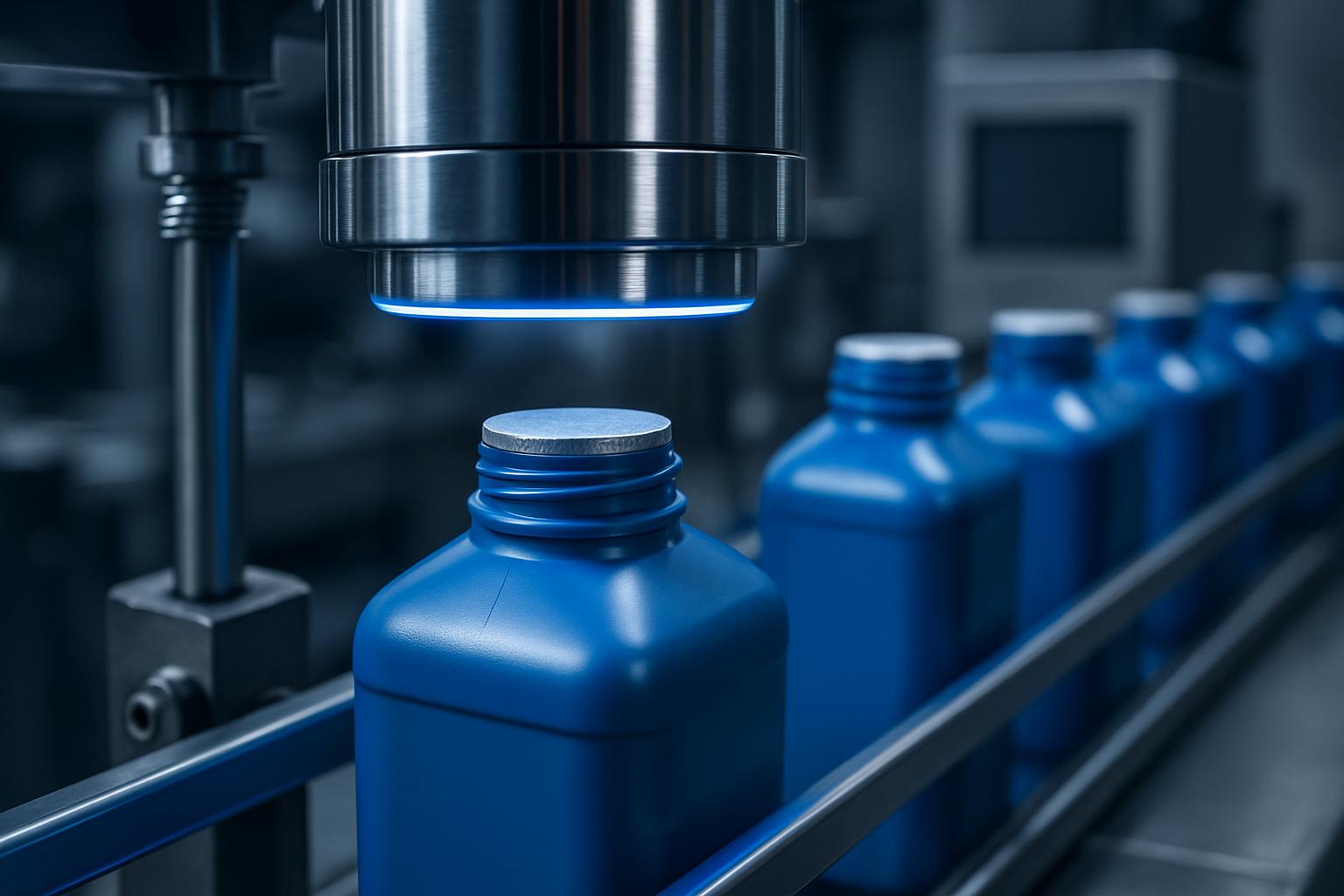
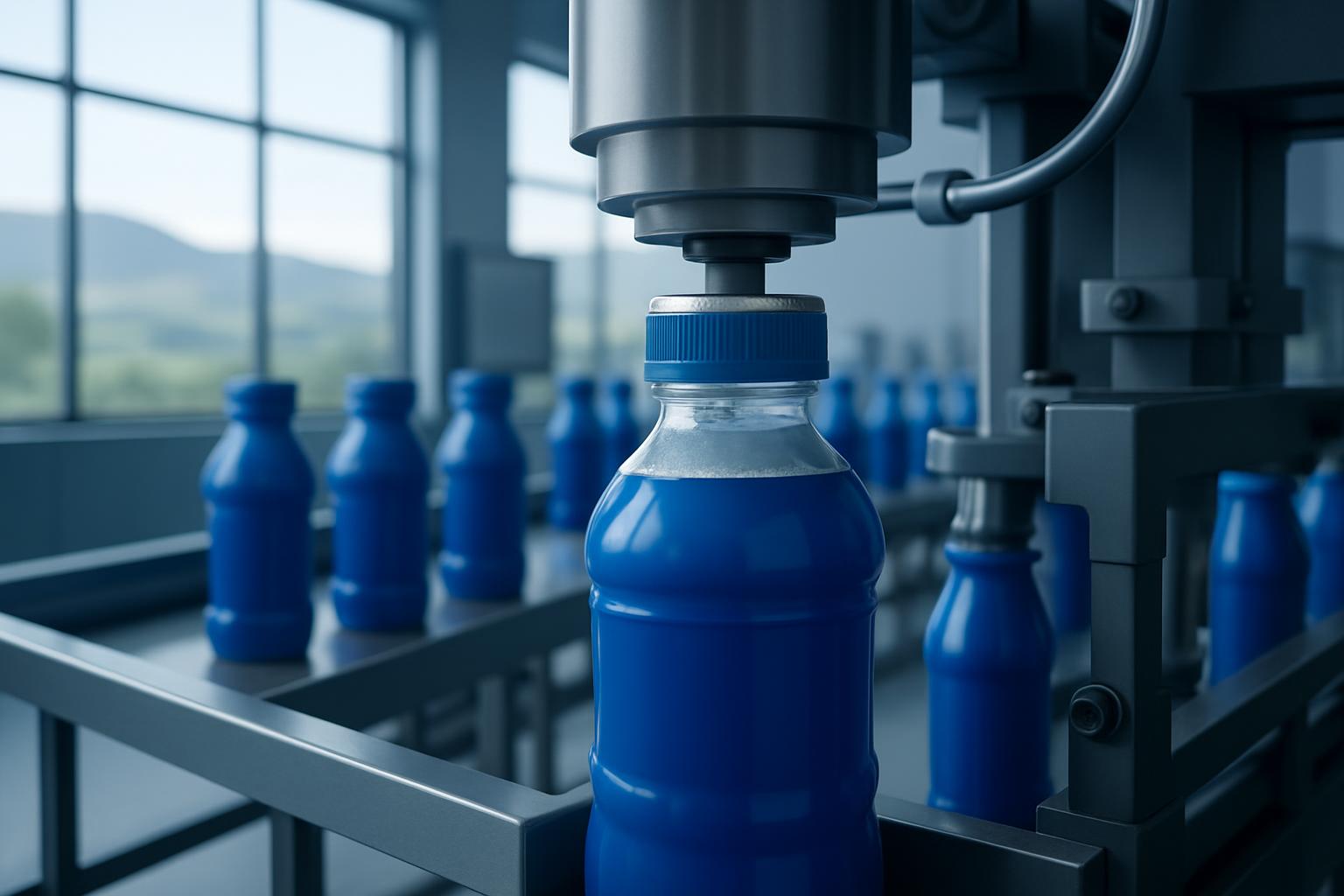
The Paarl project centred on thin-walled cultured dairy bottles packed on site in Paarl, using a 28 mm closure on a light neck finish. The pack needed an induction seal that would bond cleanly without pulling the bottle finish out of shape. The plant chose the Seal Induction Compact, a 1.2 kW benchtop unit for 20 to 38 mm caps, rated up to 25 bpm.
The job started after trial packs showed variation between cap application, liner seating and final seal appearance. Cultured dairy gives setters a narrow working window because the bottle is light, the neck land is small and the aluminium liner needs even pressure from the closure before sealing. The target was a short-run dairy station that operators could start, check and clean without adding a large conveyor rebuild.
Survey and set-up sequence
The Paarl walk-through traced the bottle path through filling, capping and manual handling, ending at the collection point for sealed packs. Khanyisile Mdletshe checked conveyor flow, capper position, bench space, operator reach and where samples could be opened without slowing the shift. The Paarl line also needed space for sleeve work after sealing, because the same closure area carried the seal and the tamper band.
The first settings were built around the 28 mm cultured dairy cap, the bottle land and the liner stack. The Foil & Die Kit was selected against the closure finish, then the Compact head height, power setting and bottle pace were set on the first filled bottles. Operators opened samples straight away, looking for a full peel ring, no scorched liner edge and no distortion on the thin finish.
Commissioning fault and fix
During the first weeks, one run showed a patchy bond on bottles from the end of a cap box. The symptom was not random: the peel opened cleanly on one side but dragged on the other, and a few inverted bottles marked the closure skirt. The fault was traced to cap seating. Some caps were riding slightly high after the torque head pad picked up dried dairy residue, so the liner was not pressed evenly onto the bottle land.
The fix was mechanical and simple enough for the line team to repeat. The torque head pad was cleaned, the cap path was checked for skew, and the cap seating recipe was locked into the Cap Torque Station for that cultured dairy closure. After the change, checks were taken across a cap box at opening, halfway and near empty, so a liner or cap batch issue could be separated from sealer settings.
How the Paarl line runs now
The current run pattern is steady and visible to the setter. Filled bottles are capped, the liner is pressed onto the land, the Compact completes the induction seal, then samples are opened against the shift check card. After sealing, the tamper sleeve is placed around the closure area and finished through Band Shrink 120, with steam adjusted for sleeve height, neck shape and condensate behaviour.
Daily care is kept close to the machine, not hidden in a workshop file. The team wipes the sealer contact area, checks cap seating, confirms that the bottle land is dry, keeps liners covered during changeovers and records the Compact setting used for the cultured dairy pack. Sleeve feed, steam drainage and drying are checked at the same changeover point, so seal and sleeve faults are not mixed up.
Support and spares path
For Paarl-style dairy packs, repeat work starts with the bottle, cap, liner and a few filled samples. A Compact check can compare fresh caps with caps taken from an opened box, which suits this dairy fault pattern. Paarl teams setting up a similar cultured dairy closure can send the neck size, cap sample, liner type and shift-check photos through our contact form before trial sealing.
What our Bottle Sealing customers say
Verified Google reviews