
Fixture
Coil mount bracket
Height-indexed coil mount for summer PET adjustments.
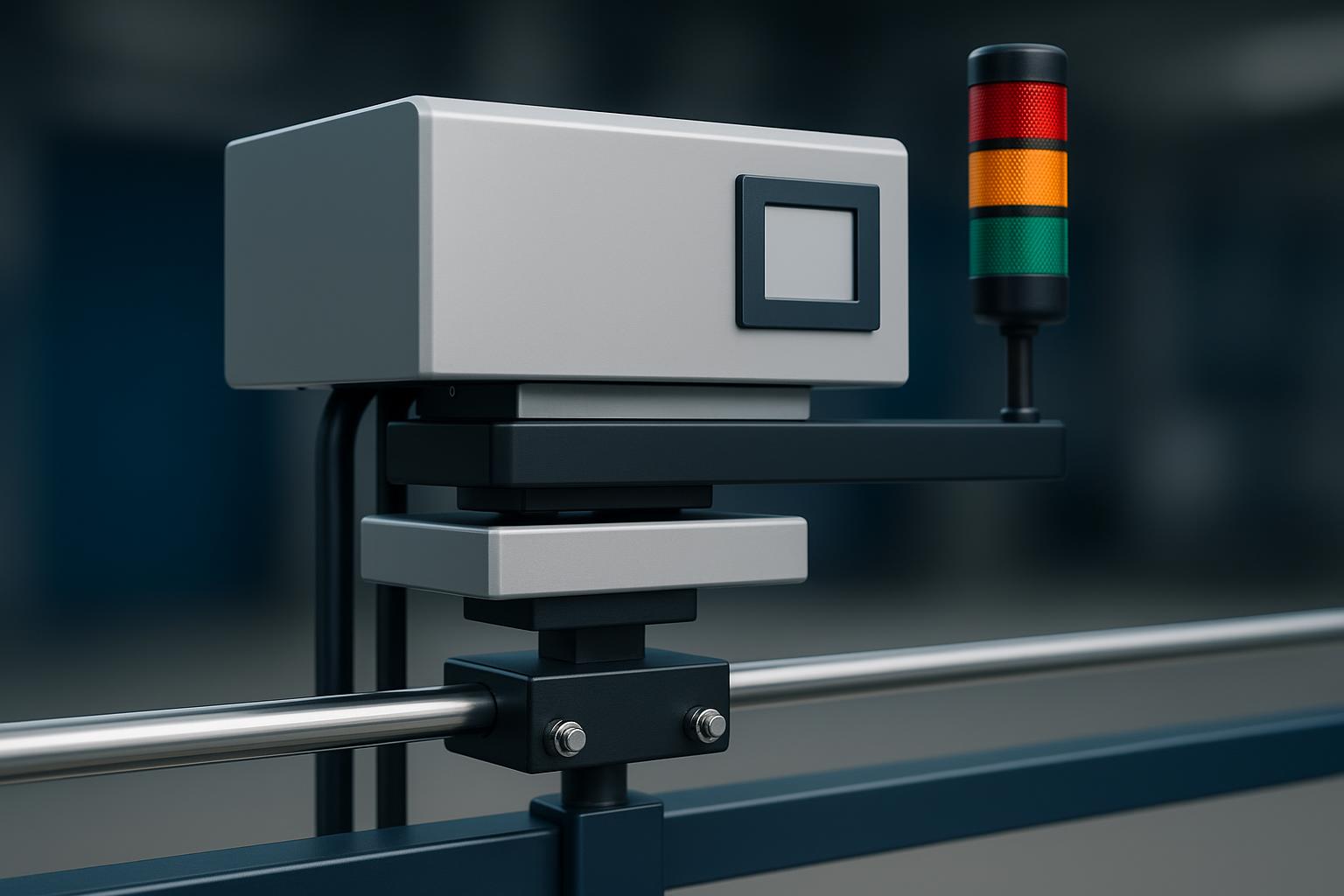
Coil mount bracket
A coil mount bracket is the height-indexed fixture that holds the induction head in the set vertical position above capped bottles. On warm PET runs, the line setter can return to a recorded mark after a neck, cap or bottle change. The bracket gives production a repeatable height reference for aluminium-lined caps when light PET bottles need careful handling.
The bracket pairs with Seal Induction Pro on inline PET and HDPE work, and with Seal Induction Compact for benchtop trials, R&D packs and short contract runs. On conveyor cells, it can be mounted with the Line Integration Rail so the head position, guides and bottle path are set from one frame point.
Fitment on the line
Fit the coil mount bracket with the induction machine isolated and the head supported by hand or a temporary prop. Offer the bracket to the machine frame or rail plate, align the upright with the bottle centre line, and start all fasteners before tightening. The height scale must face the setter’s operating side so the recorded mark can be read during changeovers.
After the bracket is bolted down, slide the head carrier onto the indexed upright and tighten the clamp just enough to hold position. Run one capped bottle through by hand, centre the head over the cap path, then tighten the frame bolts. Set the travel stops where fitted, dress the cable so it follows the head movement, and mark the first production setting.
Adjustment during changeovers
For a cap or neck-finish change, start with the recorded setting for that pack and confirm cap torque before moving the head. Torque presses the aluminium liner onto the bottle land, so a loose cap can look like a height issue. Make a small height change, lock the bracket, run samples, then record the accepted mark with cap code, liner type and bottle size.
Operators should check the bracket at start-up, at every product changeover and after any conveyor knock. The clamp must lock without over-tightening, the index marks must stay readable, and the head must not settle during a run. Maintenance leads should add the bracket to the weekly walk-around, with attention to fasteners, upright straightness, clamp faces and cable rub near the moving head.
Wear signs and failure modes
A worn coil mount bracket usually shows itself through drifting head height, repeated seal setting changes, or a clamp handle that reaches the end of its travel before gripping. Elongated mounting holes, bruised index teeth, stripped threads and a bent upright all reduce repeatability. If the scale plate is scratched blank, setters lose the reference needed for fast, controlled changeovers.
Seal symptoms can also point back to the bracket. Intermittent weak seals across the same cap size, good samples at start-up followed by poorer samples later, or a head that looks slightly angled across the bottle path should trigger a bracket inspection. Replace cracked knobs, distorted clamp plates and worn slides before production starts chasing power settings to cover a mechanical fault.
Ordering and support notes
When requesting a coil mount bracket quote, send the induction machine model, neck size range, bottle material, cap type and a photo of the current head mount. Add the conveyor side used by the operator, the frame or rail width, and whether the bracket sits on a standalone machine or a rail cell. Email the details through our contact form.
For plants standardising induction set-up sheets, link the bracket setting to the checks on the seal check card and the cap data from the Cap Torque Station. The counter is in Meadowdale Industrial, Germiston, for teams bringing a sample bracket, cap and bottle for fit notes before ordering a replacement.
What our Bottle Sealing customers say
Verified Google reviews
