
Resource
Vision reject map
Where to place reject pockets relative to cameras.
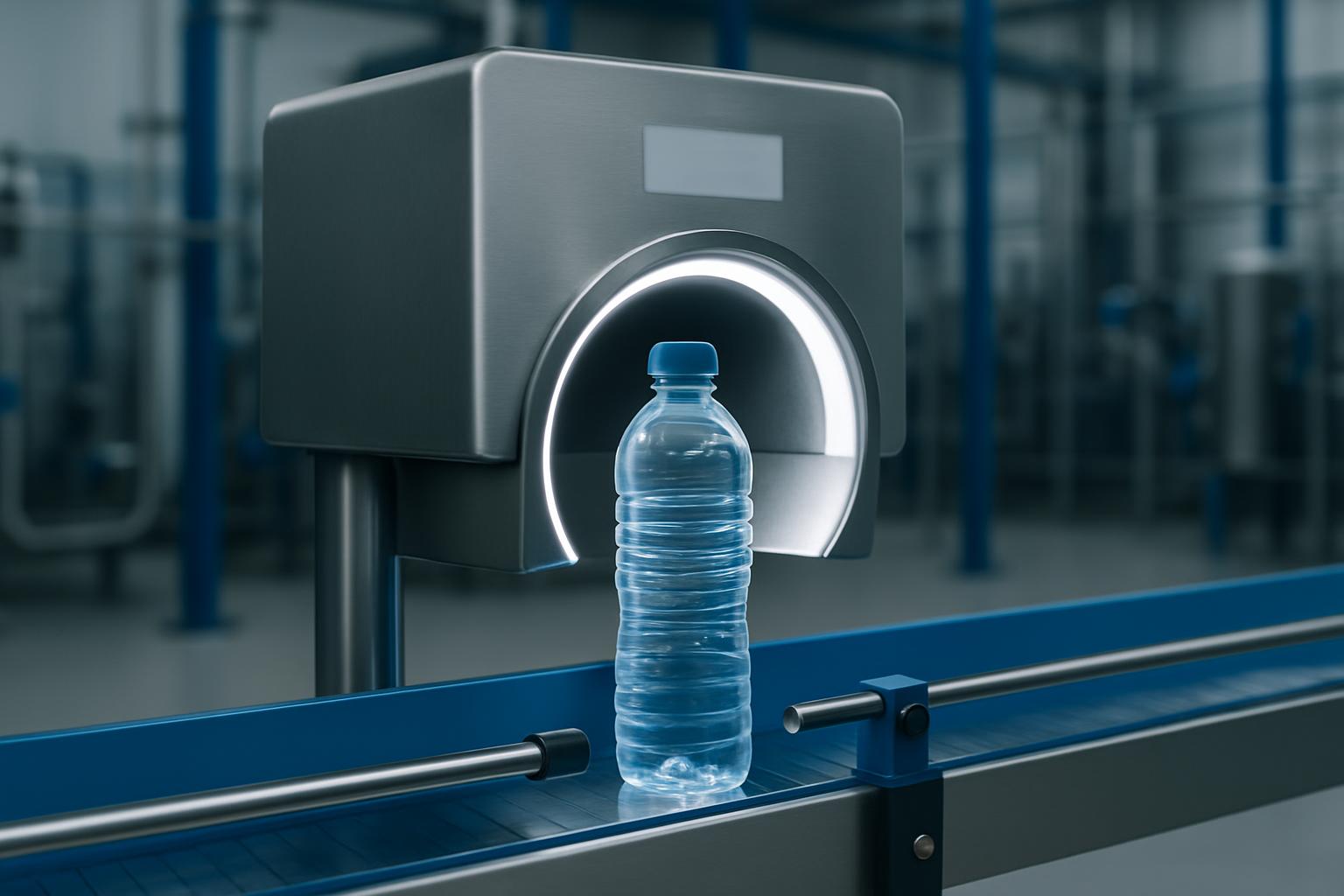
Vision reject map
The vision reject map is a set-up card for placing a reject pocket downstream of a Seal Inspect Vision camera. Plant managers use it during line acceptance, setters use it at SKU change, and maintenance leads use it after a sensor, guide or air-blast nozzle has moved. It turns a pass/fail camera signal into a measured push point for packs with missing aluminium liners or incomplete seals.
Keep it with the changeover pack, beside torque recipes and seal check notes. Use it when bottle diameter, neck finish, cap height, speed, camera position or pocket position changes. It is also useful after cleaning crews remove guards or rails, because the original marks give the setter a quick way to put the reject station back where the tested pack actually left the belt.
Complete the map from camera to pocket
Start at the camera entry. Record line name, SKU, bottle size, neck finish and normal running speed. Mark the exact camera reference used by the setter, such as the centre of the lens bracket or the front edge of the light bar. One repeatable reference stops later timing checks from drifting when covers, lamps or brackets come off for cleaning.
Next, measure from that camera reference to the mouth of the reject pocket along the belt centreline. Add bottle pitch, guide width at the pocket, pocket mouth width, air pressure setting if your plant records it, and the controller delay value. On a Line Integration Rail, note the rail join or clamp mark used as a second reference.
Finish with three trials: one known reject, one good bottle directly behind it, and one good bottle directly in front of it. The rejected pack must enter the pocket without bounce-back, while both good bottles stay in lane. Sign with the setter and maintenance lead names, then take photos of the camera, guide and pocket positions for shift handover.
Worked entry on a Durban sauce line
Worked example: on a Durban sauce run, the entry reads 500 ml PET bottle, 33 mm neck, 60 bottles per minute, Seal Inspect Vision camera reference at the front edge of the bracket, pocket mouth 1.5 metres downstream. Timing tests showed the reject needed a short delay so the blast met the bottle body. The setter narrowed the pocket mouth, centred the guides and fired one deliberate reject with no cap marks.
Fit and maintenance notes
The map only stays useful when the hardware keeps its reference marks. Scribe or label the pocket bracket, guide rail clamps and photo-eye bracket after the signed trial. Keep the pocket square to the conveyor frame, not to a worn guide face. Clean the camera window and vision light bar; sauce mist, oil film and sugar dust can turn borderline packs into false rejects.
Common mistakes to catch early
Common mistakes are measuring from the camera cover, moving the pocket for a taller cap while leaving the old delay, testing with empty bottles when production runs filled bottles, and sharing one entry across two neck finishes. Early marks on the leading shoulder point to an early blast; cap scuffs point to a late blast. For new packs, bring samples to the counter in Meadowdale Industrial, Germiston, or send a message through our contact form.
