2026-09-15
Retrofit one bay, not the whole hall
Line Integration Rail when the conveyor already owns the floor.
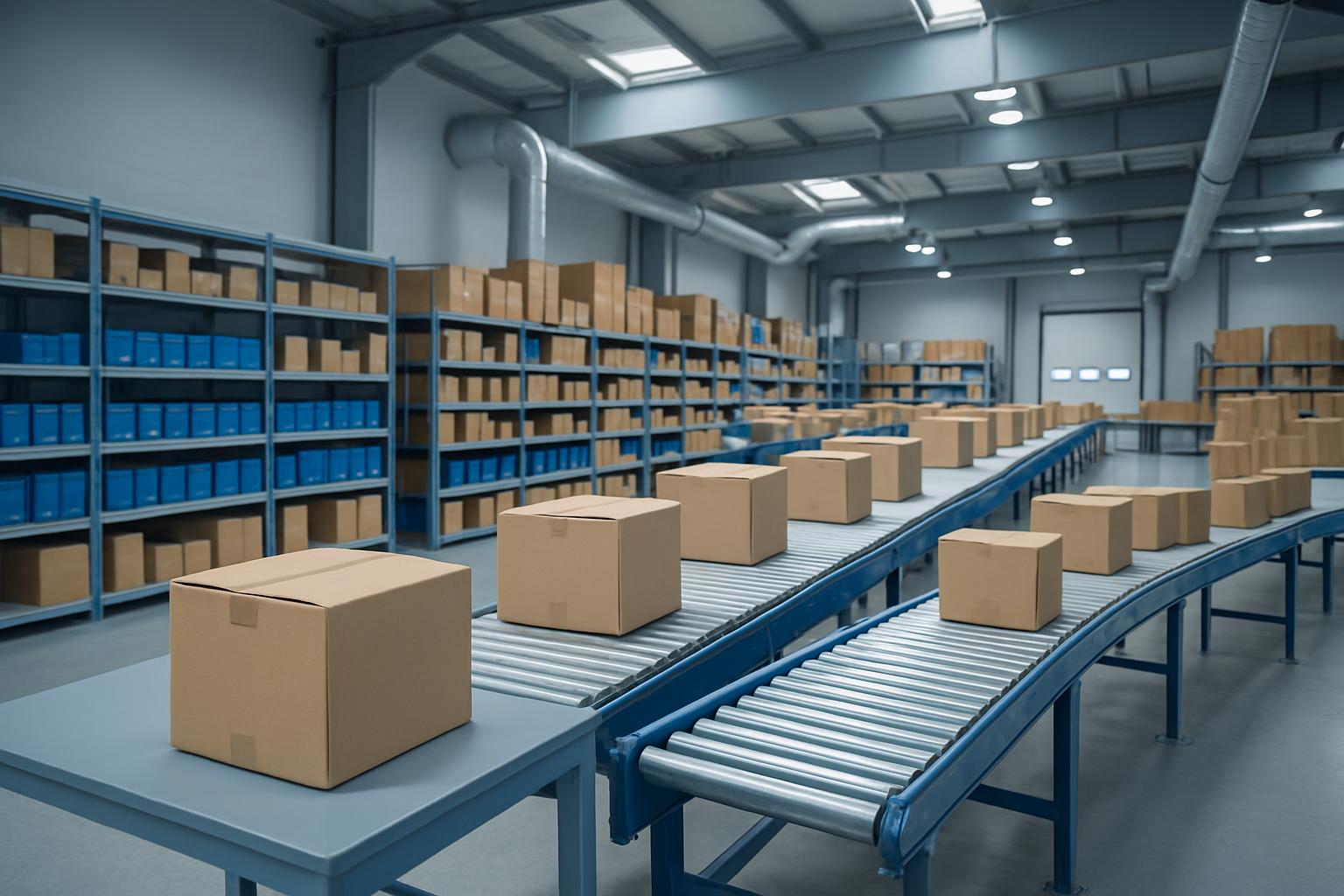
Retrofit one bay
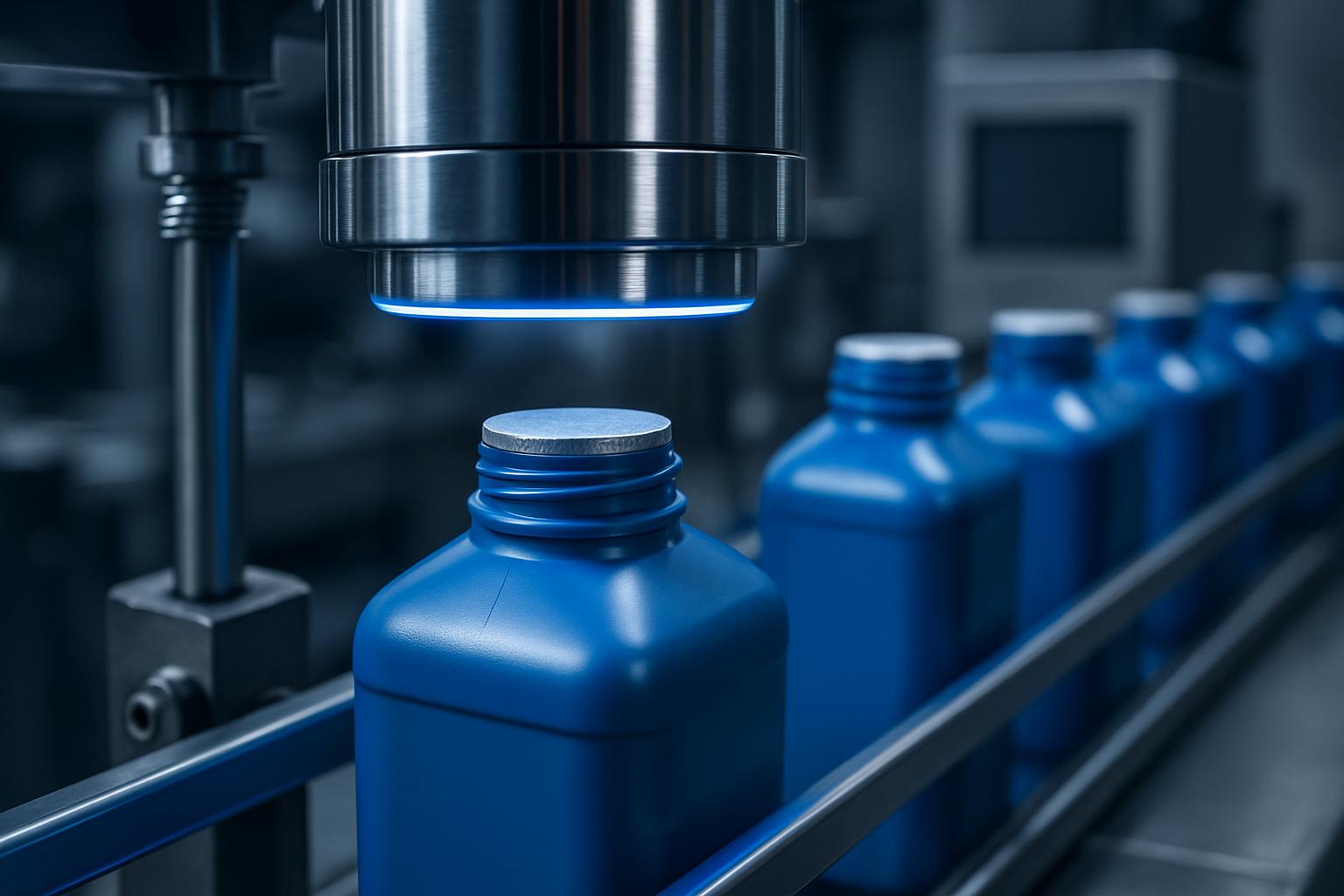
A fixed conveyor should not force a hall rebuild when the sealing duty changes. Retrofit One Bay adds a sealing station to the bottle path you already run, using a Line Integration Rail with guides, sensing and reject handling set around the pack. The filler, capper, drains, guards and carton flow stay where production already knows them.
The problem usually shows up as leaking caps, retailer tamper queries, stained export cartons or a new foil-lined closure added to an existing SKU. On South African floors, space is often the limiter: old fillers, later cappers and narrow operator walkways leave no appetite for moving the whole line. One bay gives sealing its own repeatable section.
Why the bay must start with the bottle track
The survey starts while the line is running. Watch bottle sway, cap scuffing, capper discharge, guide pressure and the straight run available after closure. Record the bottle height, cap size, neck finish and product behaviour. Ms Khanyisile Mdletshe often maps this with the production lead so the bay suits shift work, wash-down and changeover access.
Most poor seals in this retrofit situation come from presentation, not from the sealer alone. If capper discharge sends out an under-torqued cap, the liner sits lightly on the sealing face and heat cannot form a full ring. Worn guides let the cap pass off-centre under the head. Product wetting on the neck finish creates a channel under the liner, so filled packs must be checked back at filling and capping, not only at the induction bay. The Seal Induction Pro then gets blamed for a line condition upstream.
Step-by-step commissioning method
First, correct the mechanical basics: cap torque, bottle pitch, rail pressure and reject pocket position. Then set the sealer head height, choose a starting power and run a short batch at normal production pace. Open samples from the start and end of the batch, inspect the bond ring, then leak-test filled packs from the same run.
Next, lock down the working recipe. Record sealer power, line speed, head height setting, cap torque target, guide positions, bottle code, cap supplier and liner type. For mixed neck work, keep each change part set, sample cap and liner reference with the Foil & Die Kit, so setters copy the proven pack build rather than guessing during a shift change.
What maintenance should watch
Daily checks are small but practical. Wipe product mist from sensors, clear foil dust from the bay, check belt tracking, look for loose rail brackets and confirm the reject pocket catches the bottle without bounce-back. After sanitation, recheck guide width because a few millimetres of movement can turn a good seal into a partial bond.
Failure modes have a clear trail. A loose centre usually points back to cap pressure. A burnt edge means the pack has had more energy than the liner and cap can tolerate at that pace. A clean gap on one side points to bottle lean or cap position. Missing liners belong on the reject record; an inline Seal Inspect Vision station can flag those packs and trigger an air reject.
Worked example from a typical line
Take a 1 litre HDPE household chemical bottle in Ekurhuleni with a 38 mm cap. The filler and capper are fixed, and the line has one usable straight section after capping. The first survey finds side sway and two cap heads low on torque. Maintenance corrects the capper before any induction settings are judged.
The bay is set with firm shoulder guides, an infeed sensor and a reject pocket after sealing. Three short trials are run. The accepted setting produces an even sealed ring on the HDPE neck and filled cartons pass handling and leak testing. For this retrofit, send a message through our contact form with the bottle, cap, liner, target speed and a sketch of the straight run, then mark any guard posts, drains or low overhead brackets that the rail must work around.
What our Bottle Sealing customers say
Verified Google reviews