Durban
Pavilion
KZN beverage and sauce line conversations.
Pavilion
The Pavilion appointment counter sits in west wing W8 at The Pavilion in Westville, Durban, beside the N3 between Durban and Pinetown. Jack Martens Drive gives the centre its practical access point for plant visitors coming from the west of Durban, with Pinetown and New Germany teams able to get in without crossing the whole city.
Bring one closed carton of bottles, closures and sleeves rather than loose samples. The slot is booked so sample cases can be carried from centre parking to west wing W8 in one trip, with caps kept separate from filled or rinsed bottles. That saves time when a setter wants to compare torque marks, cap seating and sleeve height on the bench.
Who books the Pavilion slot
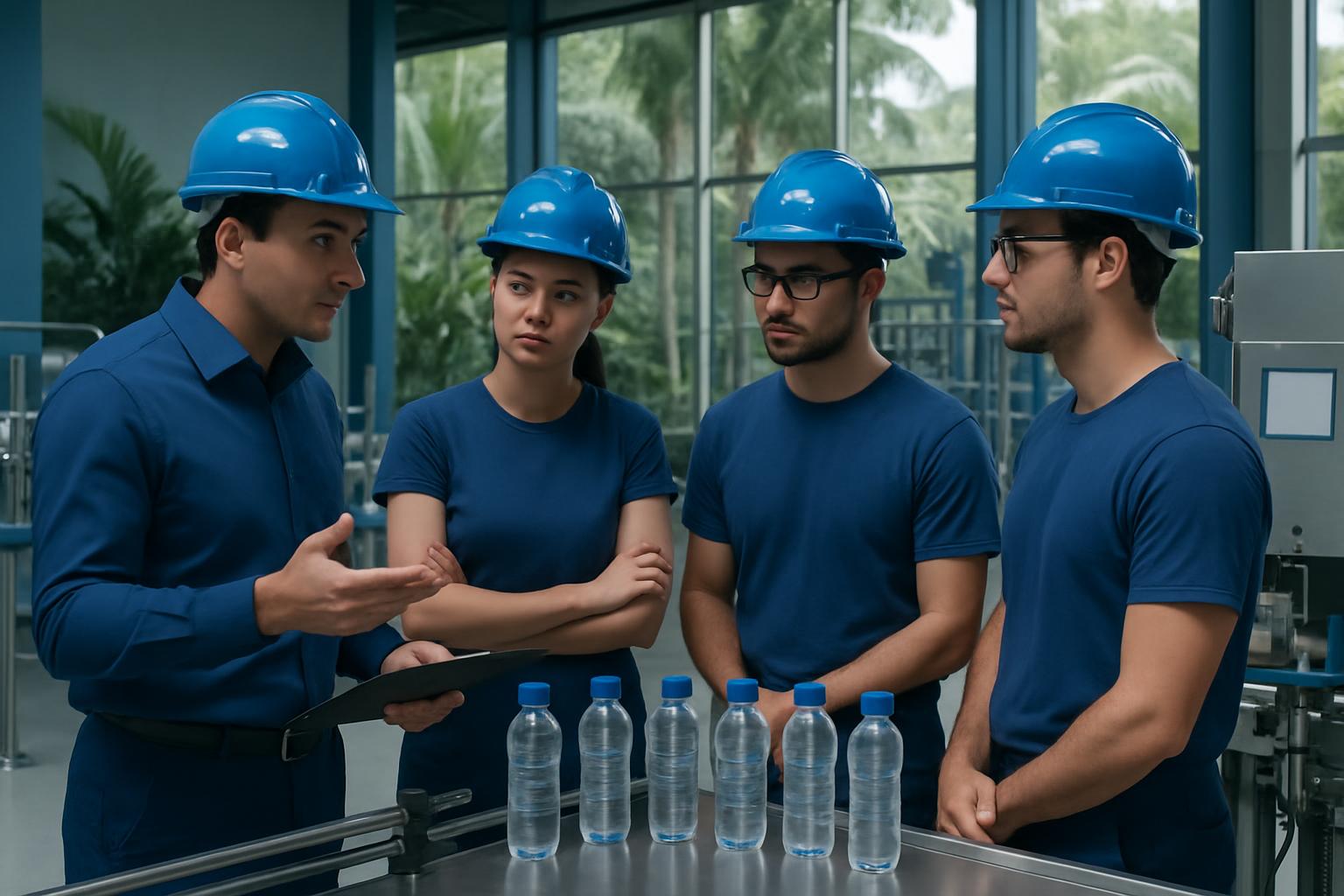
Most Pavilion conversations come from Pinetown, New Germany, Westmead and Durban plants packing beverage, sauce and condiment lines. The buyer may be checking capital spend, but the plant manager and setter usually bring the questions: which pack is leaking, which cap is marking, which sleeve is twisting, and where a reject point can sit on the current conveyor.
KZN sauce and beverage plants may change between several neck and cap combinations in the same production week, so the Pavilion bench work starts with filled, capped and sleeved samples in hand. Sauce bottles with 38 mm caps sit on the counter because that size is common in local chilli sauce, marinade and condiment packs. See the sauces and condiments line notes for the usual pack issues raised in these sessions.
What sits on the bench
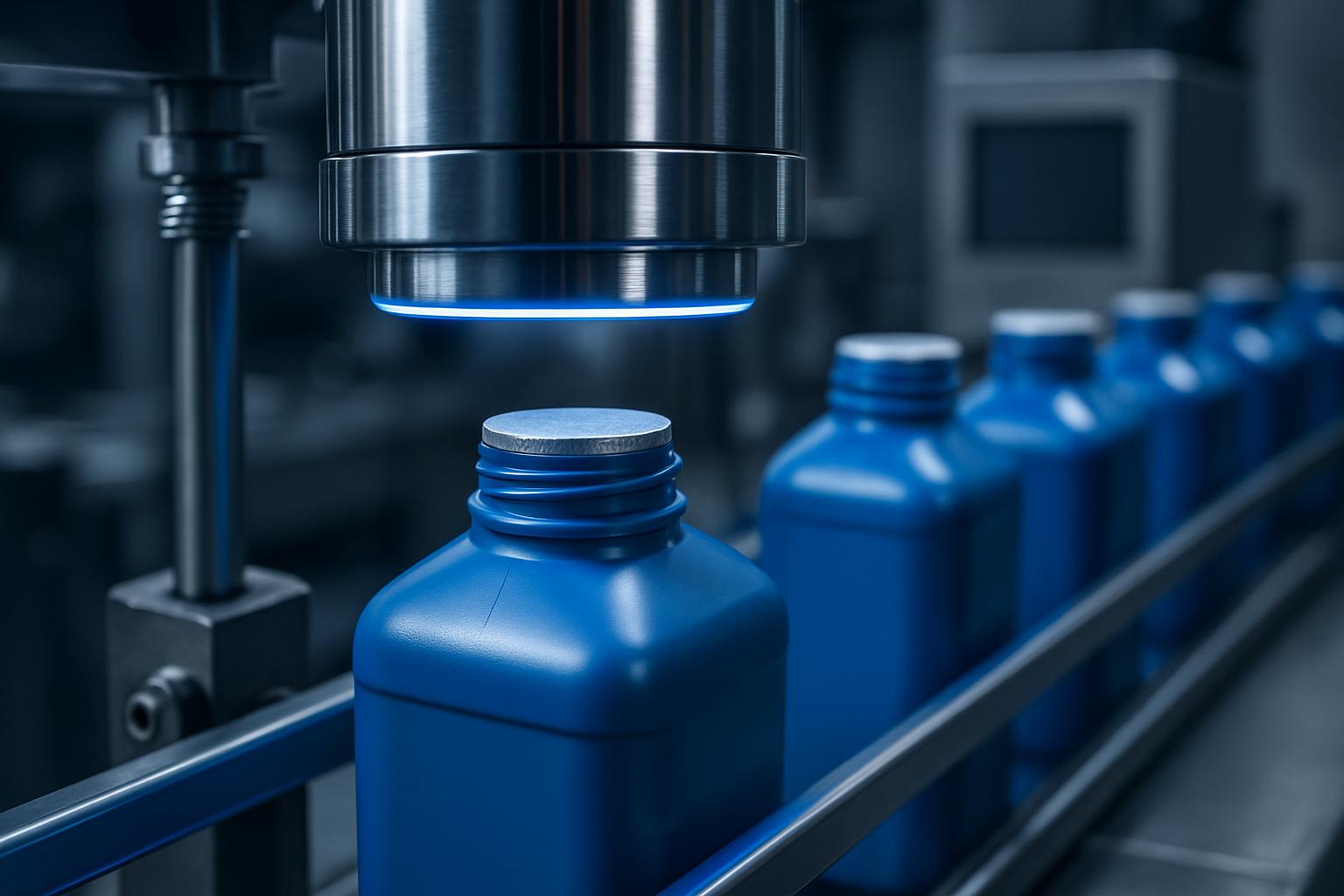
The Seal Induction Compact comes into Pavilion discussions when a Durban plant needs a benchtop check for a short sauce run, a new cap supplier or a changed foil wad before committing the pack to a moving line. The bench check looks at the tightening mark on the cap, the neck sealing face, aluminium liner contact and whether the operator can repeat the same seal without guessing.
For continuous beverage and sauce packing, the Seal Induction Pro is matched against the plant’s existing capper discharge and conveyor layout. The Pavilion bench conversation covers where the induction head would sit, how bottle pitch affects cap heating time, and how a line setter would separate a capper fault from a sealing fault during a shift.
Sleeves, steam and reject samples
The Band Shrink 120 sleeves on the Pavilion bench show what a clean tamper band looks like around a sauce cap and shoulder. For KZN sauce packs, the setter measures the sleeve’s flat size, cut height and tear strip position, then checks how much steam contact is needed to pull the band down without scuffing the label panel.
Seal Inspect Vision reject samples sit beside the sauce bottles because missing foils and half-bonded liners are hard to argue about once the pack is closed. The Seal Inspect Vision discussion covers camera view, light bar position, reject timing and what maintenance must keep clean when sauce dust, steam mist or cap glare reaches the inspection point.
Fit notes and booking
Common Pavilion fault discussions include sauce on the bottle land, low cap torque after a capper changeover, a liner stuck in the cap instead of bonded to the neck, sleeves shrinking higher on one side, and condensate marking the cap. The plant team should bring failed packs, good packs and a short note on line pace, cap type and recent changeovers.
For a Pavilion W8 slot, send pack photos, neck size, cap type, sleeve artwork stage and the carton count being brought into the centre through our contact form; sample handovers after the Durban meeting can be routed through the Meadowdale Industrial, Germiston counter.
What our Bottle Sealing customers say
Verified Google reviews