
2026-09-14
Spares on a quarterly card
Coil, belt, and sensor cadence that maintenance can actually keep.
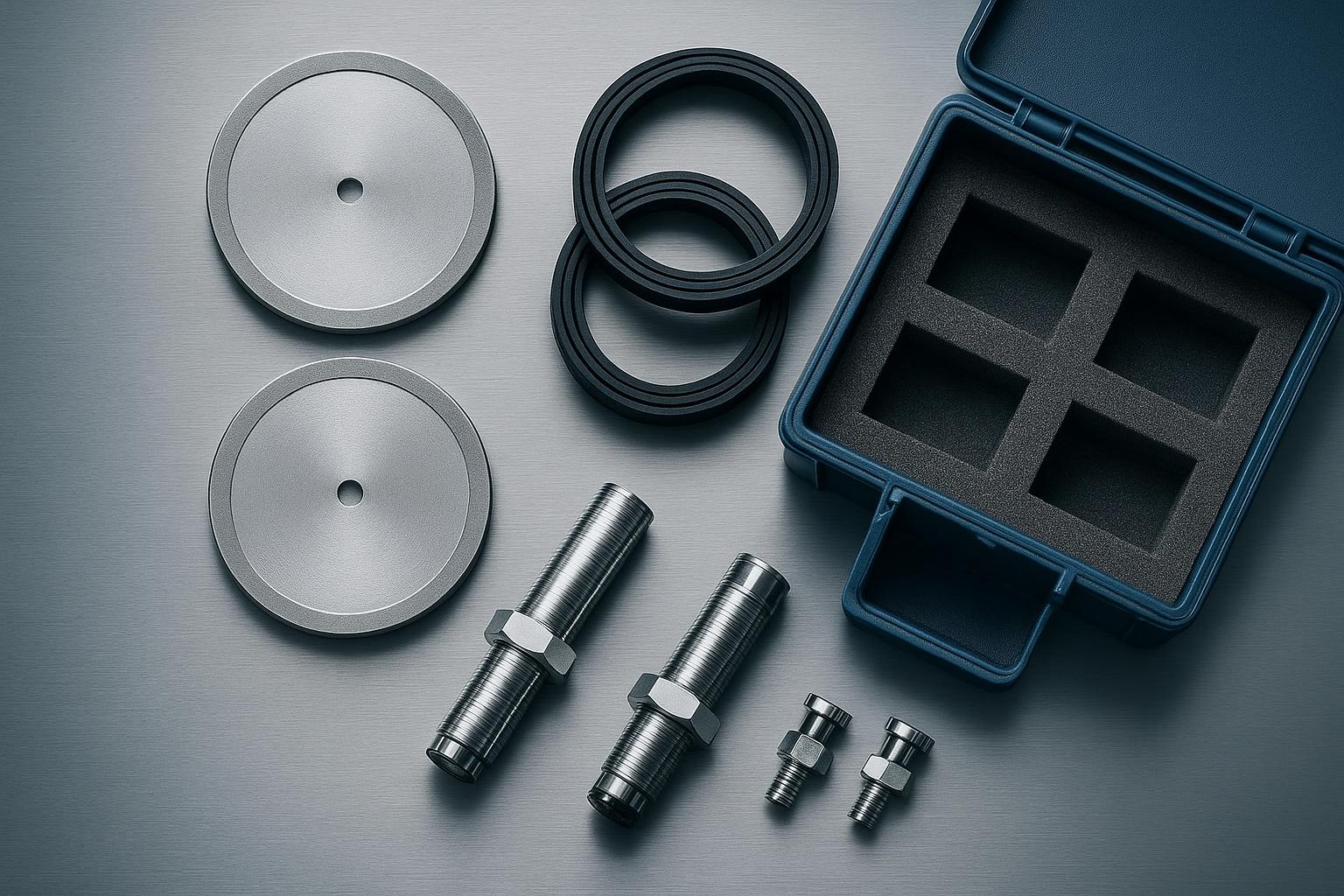
Spares on a quarterly card
A quarterly spares card turns seal-floor maintenance from a memory job into a shift habit. On South African packing lines, the same cell may run PET, HDPE, short contract batches and urgent export orders in one week. Caps change, sleeves change, operators swap, and faults get fixed during tea breaks. The Spares & Care Kit card gives that work one place to land, so the next setter sees what was fitted and why.
The pressure comes from mixed production, dust, steam, wash-down drift and stop-start running after power interruptions. A sensor bracket on a Line Integration Rail can be nudged during cleaning. A shrink belt can glaze after hot condensate sits on it. A sealing coil fitted to a Seal Induction Pro cell can be changed without the cap format being written down. The card closes those gaps in handover.
The floor method
Start with a line walk while the machine is running a known SKU. Write the machine name, bottle, cap, liner, sleeve size where used, and rail position. Mark the spares already on the line, then mark the spares kept in the cage. Put the card in a plastic sleeve at the cell, not in an office file. The operator, setter and artisan must all be able to read it during a stoppage.
Use the quarter date as the review trigger, then write every intervention as it happens. If a belt is tracked, note the side adjusted and the product running at the time. If a sensor is cleaned or moved, note the bracket slot and guide setting. If the line runs neck bands on a Band Shrink 120, record sleeve height, steam setting note and the belt condition seen during start-up.
What belongs on the card
Record the part removed, the part fitted, the reason, the setter, the artisan and the restart test. For induction work, add cap torque note, liner size and the foil wad used. For die changes, link the entry to the Foil & Die Kit size rather than writing a vague “changed foil” note. For rail-mounted sensors, record left or right side, bottle count behaviour, reject signal check and any cable damage found near the guide clamps.
Failure modes the card catches
The card is strongest when it captures small faults before they become repeat stoppages. Random unsealed bottles point to cap torque, liner seating, bottle land damage or a sensor miss. Scorched liners point to a setting left from a previous cap. Loose neck bands point to sleeve width, belt drag, wet entry bottles or steam start-up drift. False rejects point to dirty sensor faces, loose brackets or a rail position moved during cleaning. Each note cuts guesswork on the next shift.
Worked example from a typical line
A Gauteng sauce line changes from 38 mm HDPE jars in the morning to PET bottles after lunch. On Monday, the setter notes weak peel samples after the changeover and records the cap, liner and coil fitted. The artisan finds a sensor bracket sitting one slot out after wash-down and writes the corrected rail mark on the card. On Tuesday, the same SKU restarts from that mark, with the same liner note and no fresh argument at the capper.
At quarter review, maintenance sees two belt tracking notes, one sensor movement and one die change on the same cell. That pattern is enough to order the correct spares and book time before peak packing. Send the card copy and model names through our contact form, or bring it to the trade counter in Meadowdale Industrial, Germiston. Mr Bheki Msimang’s service planning background is listed on his team profile for plants setting up the first card.
What our Bottle Sealing customers say
Verified Google reviews