
2026-09-20
Summer PET softness
Highveld heat changes coil feel. Adjust before scrap climbs.
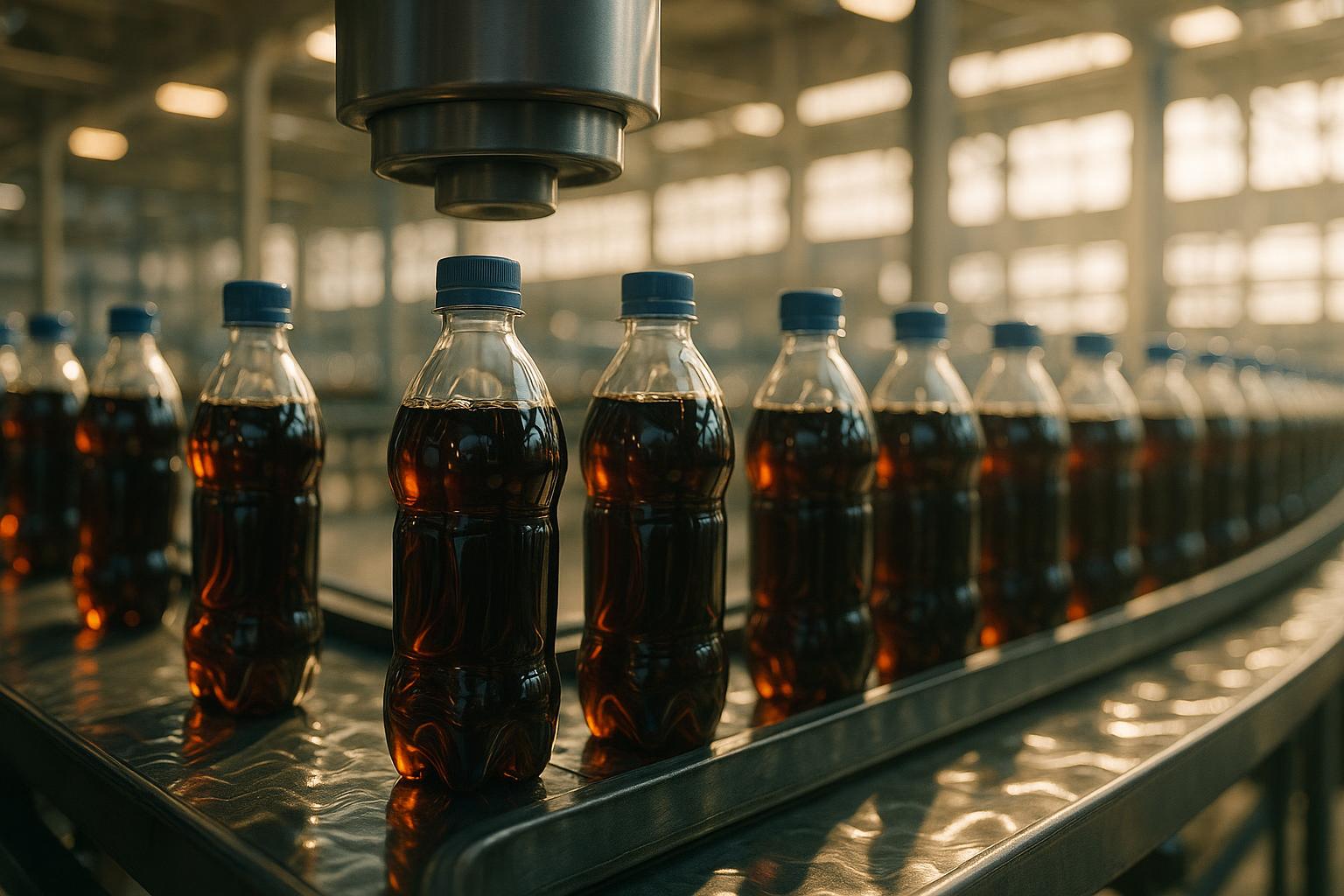
Summer PET softness
On hot Highveld afternoons, PET neck finish strength can drop between morning start-up and the hotter part of the shift. The cap feels spongy under the hand, the bottle land flexes, and a setting that gave a clean aluminium pull at 08:00 can start marking the foil by mid-shift. The first signs are wrinkled liners, damp threads and loose lift-off.
This happens because South African packing halls take heat from roofs, roller doors, pallet staging and stop-start production. Bottles stored near a warm wall, then capped at normal torque, can deform just enough to change contact between liner and land. Cap torque still matters: too low gives a wet path, too high can dish the neck. Balance cap pressure, heat input and belt pace.
Set the line before scrap climbs
Start on the Seal Induction Pro with a short group of capped samples, below the usual production pace. Take capped, filled bottles straight after the capper and feel for oval necks, soft shoulders and uneven cap seating. Check the cap torque against the current recipe, using the Cap Torque Station where the plant runs servo capping.
Pass a small group through induction and open them while the bottle is still at line temperature. If the foil edge is browning or the neck feels weaker after sealing, reduce heat input or return to the last accepted setting. If the peel is weak but the foil is clean, inspect torque and liner match before raising heat.
Fit and maintenance notes for hot weeks
Hot-weather sealing gets harder when the bottle wobbles. Check the Line Integration Rail guides for loose clamps, shiny rub marks and a pitch change where bottles queue. A belt with glaze, stretch or damaged tracking can give one cap a longer dwell than the next cap. Clean sensor faces, tighten head mounting hardware and remove stray product from rails, because sugar, oil and detergent residue add drag.
Set the induction head height from the last accepted changeover note, then confirm that guides hold the cap centre under the head. Record the facts on a seal check card: date, shift, machine-area temperature, bottle size, cap type, liner code, torque value, head position, output step, belt setting and sample count.
Read the failure before turning a knob
Write down the failure seen, not only pass or fail. “Burnt left edge”, “loose lift-off” and “wet thread at two o’clock” give the next setter a clear restart point. Wrinkled foil often comes from a softened neck receiving more heat than the land can hold flat under cap pressure. A loose, clean lift-off points back to torque, liner seating or the wrong wad for the neck. When the liner is in doubt, match it against the Foil & Die Kit sizes.
Worked example from a typical Gauteng line
A half-litre PET sauce job starts clean after morning start-up on 33 mm caps. After lunch, bottles staged near a sunny dispatch door reach the capper warmer, and the operator sees wrinkled foil on every few samples. The setter keeps the cap torque recipe unchanged, drops the induction power one small setting, slows the belt a touch and takes twelve bottles through. The next openings show a flat foil face, a neat bonded ring and no wet thread.
For a hot-shift counter check in Meadowdale Industrial, Germiston, take the warm bottle, the matching closure and the liner used during the fault. Mark the sample with the shift time and the last accepted settings. Send hot-shift photos through our contact form: neck size, cap description, liner code and the failure seen on the line.
What our Bottle Sealing customers say
Verified Google reviews
