
2026-08-18
Band vs induction when the brief is tamper
When a neck band is enough and when foil still carries the seal.
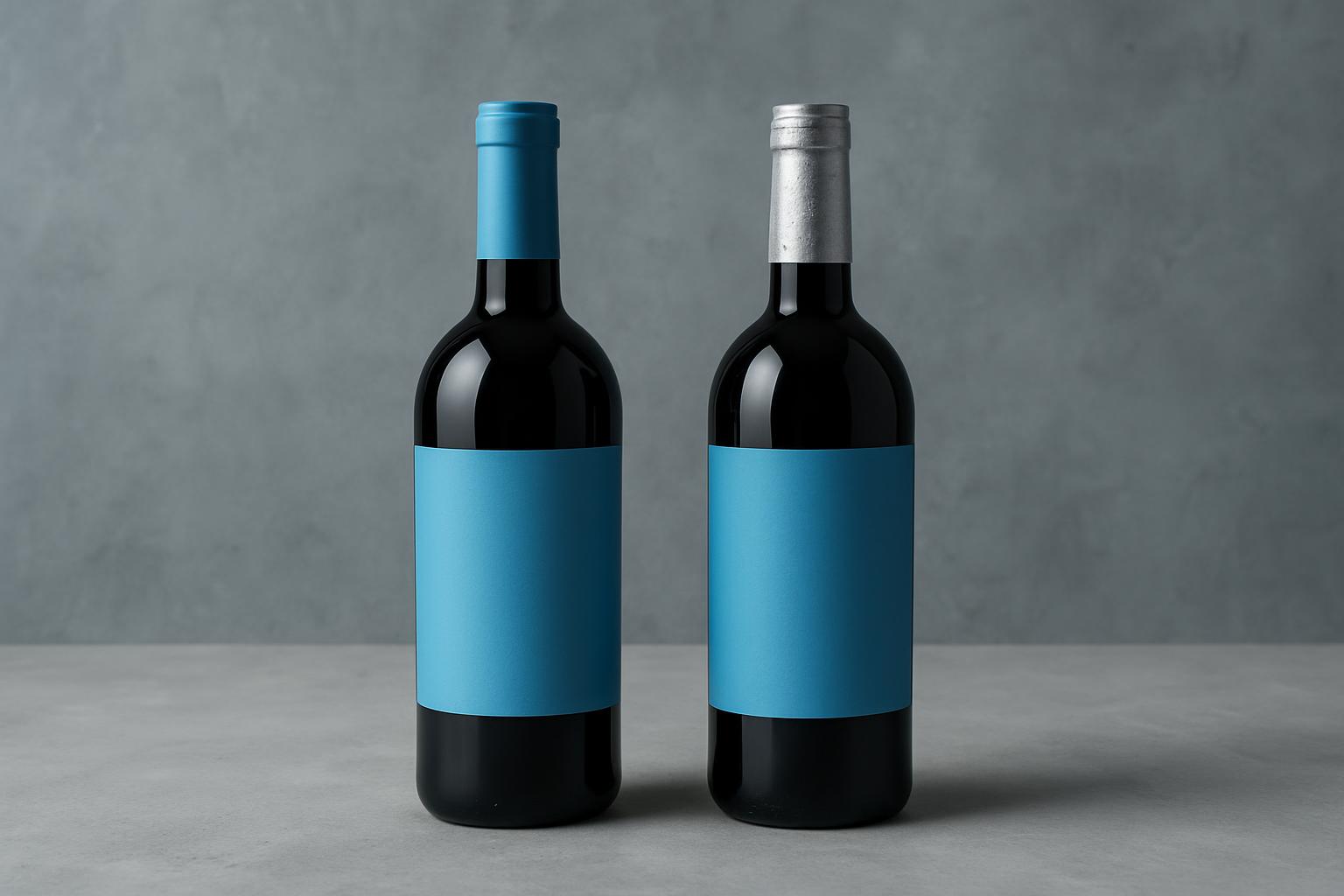
Band vs induction when the brief is tamper
When a retail brief says “tamper evidence”, start with what the opened pack must prove. A neck band gives a broken sleeve across the cap and neck. An induction foil gives an inner bond on the bottle land. Some packs need one mark; transport packs may need both, with the band giving the shopper’s first-open cue and the foil taking leak load in the carton.
The wrong choice starts when tamper becomes a tick box on a job card. South African co-pack and private-label lines change bottle shape, plastic, cap height and closure supplier in one shift. A PET sauce round, an HDPE chemical bottle and an oil pack ask different questions: tear mark, dry carton, clean cap skirt or bonded wad under torque.
Machine signs of sealing mismatch
Failure modes are visible at the machine. Bands split when the tear line lands on a cap rib, wrinkle when steam hits one side harder, or creep when bottle pitch closes up. Foils lift when the land is dusty, the cap is low on torque, the liner is mismatched, or a warm warehouse has made the neck slightly oval.
Five-step floor method
Use a five-step pass. Step one: open filled samples and name the proof as outside, under-cap or both. Step two: set cap torque to recipe before any seal trial. Step three: for outside proof, measure the neck and cap stack, set the band cut to leave a clean tear line, then trial on Band Shrink 120; higher-output work can move to Band Shrink 240, with two separate lanes set at 120 bpm per lane.
Step four: for an inner seal, choose wad, cap and bottle land as a set, then trial inline on Seal Induction Pro or on a benchtop unit for samples. Step five: if both proofs are needed, finish the foil set-up first, then add the band so the tear does not disturb cap torque.
Settings, fit and maintenance
Band adjustment starts with how the sleeve sits on the closure: cut height, collapsed band size, spacing between bottles, steam valve position, time in the tunnel, drain path and air wipe-off after shrink. The sleeve must sit square and the perforation must face the opener path. Maintenance checks belong at the sleeve feed, belts, steam holes, hood gasket and wet guides. Induction settings start at the capper: torque, liner diameter, land width, bottle height and belt tracking under the head. Keep liner lots separated during changeover.
Records and worked example
Record the items that explain the tamper result on the next run: product code, resin type, finish drawing, closure reference, liner batch, cap torque, band cut, collapsed band size, steam valve note, time through the tunnel, actual line rate, sample quantity, rejects and photos of clean and failed openings. A seal check card keeps band tear, foil pull and wet-carton notes in one QA record.
Worked example: a Gauteng co-packer changes a 500 ml chutney bottle from a plain cap to a tamper brief. Trial caps show dry cartons when torqued correctly, while retail asks for visible first opening. The plant records a neck band as the pack proof, sets sleeve height clear of the shoulder, runs a ten-minute shrink trial and photographs the broken perforation. For a later 1 litre oil SKU, oily cartons move the decision to induction foil with the same band kept as the shopper cue through a Foil & Die Kit trial. The retained samples show why the two tamper methods were chosen: one proves first opening at retail, the other carries leak duty in transit.
What our Bottle Sealing customers say
Verified Google reviews
